Catalog / fish / Betta pinguis
fish · Osphronemidae
Betta pinguis
Betta pinguis
Wild range: Southeast Asia (Asia)
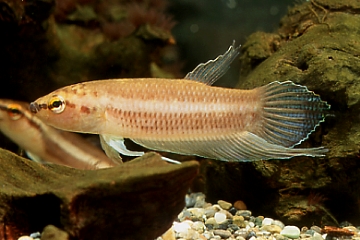
At a glance: Betta pinguis care
Compiled reference information. Review the care notes and original sources below.
What temperature is listed for Betta pinguis?
The compiled profile lists 24.0–30.0 °C for Betta pinguis (Betta pinguis). Check the original sources below for context and differing recommendations.
What tank size is listed for Betta pinguis?
The profile lists a minimum tank volume of 2.5 US gallons (10.0 liters). Volume alone does not establish suitability; consider dimensions, group size and other inhabitants alongside the full care notes.
What pH is listed for Betta pinguis?
The compiled profile lists a pH of 6.0–7.5. Review the cited care sources alongside the other water parameters in this profile.
Natural habitat
Betta pinguis occurs in forest streams characterized by slow currents, often found among shore vegetation and leaf litter, indicating a preference for calmer aquatic environments.
Where they are found
Betta splendens is native to the rice paddies of Thailand, Vietnam, Cambodia, and Laos, where they thrive in warm, still waters.
Aquarium care
Provide a warm, well-planted aquarium for bettas, ideally 10 gallons (38 liters) or more. Use a filter if possible but ensure the flow is gentle to avoid stressing the fish. Regular partial water changes are crucial to maintain water quality. Bettas like places to hide, so include decorations like plants and caves.
Feeding
In captivity, Betta pinguis thrives on a diet that includes live and frozen foods such as Daphnia, Artemia, and bloodworms. It's important to avoid overfeeding due to their susceptibility to obesity.
Compatibility
Male bettas are highly territorial and should be housed separately. They can coexist with non-aggressive fish in a peaceful community aquarium of at least 15 gallons. Avoid housing them with other male bettas and aggressive species.
Breeding
Breeding requires a separate tank with a temperature of 28°C. Males build bubble nests and attract females. After spawning, remove the female to prevent aggression from the male.
Sources
Compiled from multiple independent care sheets — not copied from a single site.