Catalog / plants / Crystalwort
plant · Ricciaceae
Crystalwort
Riccia fluitans
Wild range: global (Asia, Europe, North America)
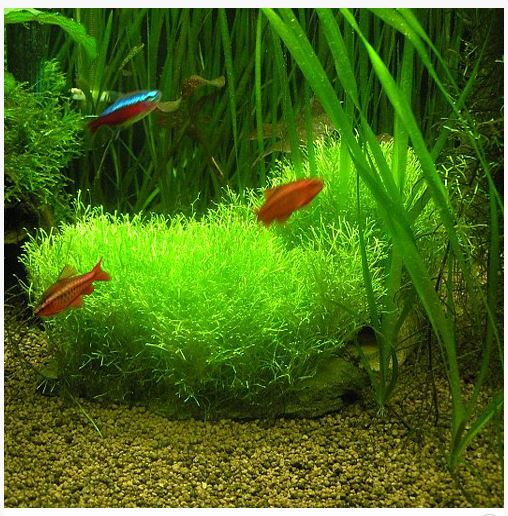
At a glance: Crystalwort care
Compiled reference information. Review the care notes and original sources below.
What temperature is listed for Crystalwort?
The compiled profile lists 15.0–30.0 °C for Crystalwort (Riccia fluitans). Check the original sources below for context and differing recommendations.
What tank size is listed for Crystalwort?
The profile lists a minimum tank volume of 2.6 US gallons (10.0 liters). Volume alone does not establish suitability; consider dimensions, group size and other inhabitants alongside the full care notes.
What pH is listed for Crystalwort?
The compiled profile lists a pH of 5.0–8.0. Review the cited care sources alongside the other water parameters in this profile.
Natural habitat
Riccia fluitans typically thrives in slow-moving waters, ponds, and marshes, where it can float freely or attach itself to various substrates. The plant's ability to adapt to different light and water conditions makes it a versatile option for aquarists.
Where they are found
This plant has a cosmopolitan distribution, adapting to both terrestrial and aquatic ecosystems across multiple continents.
Aquarium care
Riccia fluitans requires moderate light and CO2 supplementation for optimal growth. It's recommended to periodically prune the plant to manage its tendency to grow towards the surface. Anchoring it with fishing line or other materials can help keep it submerged and prevent excessive floating.
Feeding
As a floating plant, Riccia fluitans absorbs nutrients directly from the water column, making it suitable for aquariums with nutrient-rich conditions. It does not require specific feeding, though ensuring a balanced ecosystem will support its growth.
Compatibility
Riccia fluitans is safe to keep with a variety of peaceful freshwater fish and invertebrates. It offers shelter for fry and small species, making it a great addition to community tanks.
Breeding
The primary method of propagation is through vegetative means; merely breaking off parts of the plant allows them to grow into new individuals. Spore production is possible but rarely observed in home aquaria.
Sources
Compiled from multiple independent care sheets — not copied from a single site.