Catalog / plants / Narrow vallisneria
plant · Hydrocaryaceae
Narrow vallisneria
Vallisneria nana
Wild range: North America (North America)
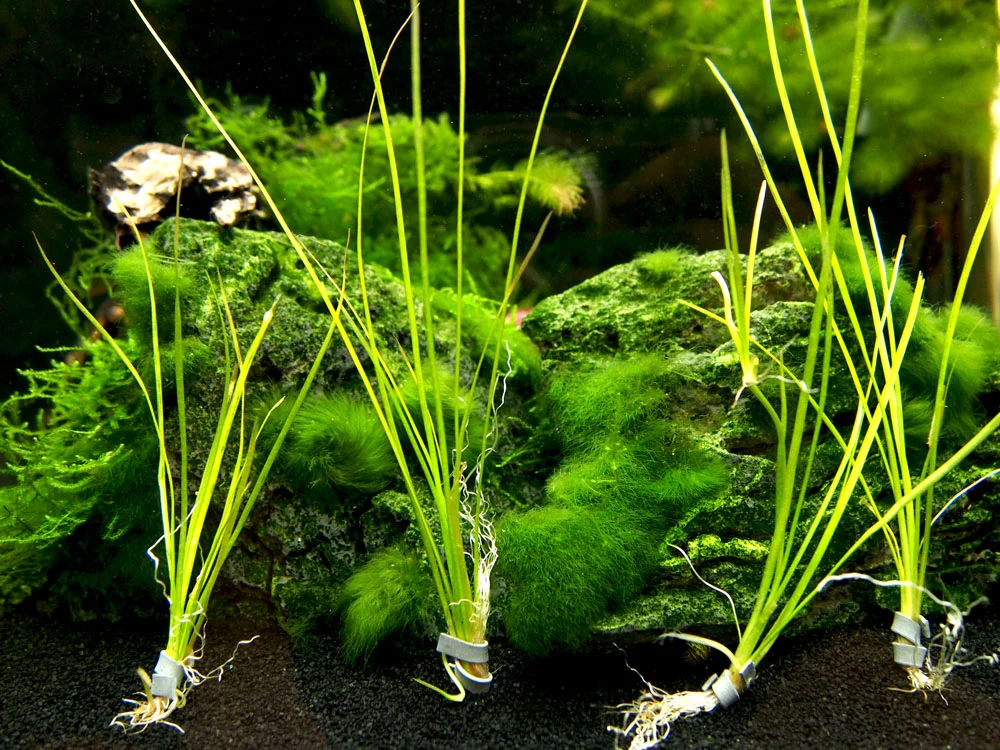
At a glance: Narrow vallisneria care
Compiled reference information. Review the care notes and original sources below.
What temperature is listed for Narrow vallisneria?
The compiled profile lists 20.0–28.0 °C for Narrow vallisneria (Vallisneria nana). Check the original sources below for context and differing recommendations.
What tank size is listed for Narrow vallisneria?
The profile lists a minimum tank volume of 15.0 US gallons (50.0 liters). Volume alone does not establish suitability; consider dimensions, group size and other inhabitants alongside the full care notes.
What pH is listed for Narrow vallisneria?
The compiled profile lists a pH of 6.0–7.5. Review the cited care sources alongside the other water parameters in this profile.
Natural habitat
Vallisneria nana, commonly known as Thin Val, is typically found in freshwater lakes and rivers within North America. This aquatic plant thrives in shallow water, where it roots in the substrate and produces long, ribbon-like leaves that can extend significantly upwards, creating a lush green backdrop in aquariums.
Where they are found
It is native to freshwater environments across the United States and Canada, often found in areas with a variety of aquatic vegetation. This plant serves as an important habitat for various aquatic organisms, contributing to the overall health of freshwater ecosystems.
Aquarium care
This plant prefers stable water conditions, with a recommended temperature between 22°C and 28°C, pH levels from 6.0 to 7.5, and water hardness between 2 and 12 dGH. Growth is optimal in well-lit environments with nutrient-rich substrates.
Feeding
Vallisneria nana does not require direct feeding; instead, it absorbs nutrients through its roots. Supplementing with fertilizers can enhance its growth and overall health in an aquarium setting.
Compatibility
Vallisneria nana is generally community-safe and can support various fish species by providing cover and improving water quality. Its fast growth may require regular pruning to manage spread.
Breeding
This species propagates primarily through vegetative means, producing runners that develop new shoots. New plants can be separated and planted individually for fuller growth.
Sources
Compiled from multiple independent care sheets — not copied from a single site.