Catalog / fish / Spotted-throat betta
fish · Osphronemidae
Spotted-throat betta
Betta spilotogena
Wild range: Southeast Asia (Asia)
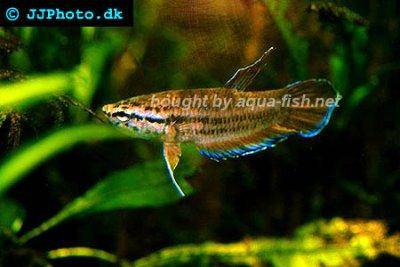
At a glance: Spotted-throat betta care
Compiled reference information. Review the care notes and original sources below.
What temperature is listed for Spotted-throat betta?
The compiled profile lists 24.0–29.0 °C for Spotted-throat betta (Betta spilotogena). Check the original sources below for context and differing recommendations.
What tank size is listed for Spotted-throat betta?
The profile lists a minimum tank volume of 2.5 US gallons (9.5 liters). Volume alone does not establish suitability; consider dimensions, group size and other inhabitants alongside the full care notes.
What pH is listed for Spotted-throat betta?
The compiled profile lists a pH of 6.4–7.8. Review the cited care sources alongside the other water parameters in this profile.
Natural habitat
Bettas are found in warm, sluggish waters often shaded by overhanging vegetation. They thrive in shallow pools, roadside ditches, and rice paddies where oxygen levels are often low but can breathe air at the surface due to their labyrinth organ.
Where they are found
The natural habitat of Betta splendens extends across Southeast Asia, particularly in countries like Thailand and Cambodia, where they are commonly found in still waters with vegetation.
Aquarium care
To maintain a healthy environment for a Crowntail Betta, they require a tank with a minimum of 37.85 liters, ideally over 10 gallons, to support their active nature and territory requirements. Utilize a heater to keep water temperatures stable and ensure proper filtration. Bettas enjoy a stimulating environment enhanced by smooth decorations, hiding spots, and low lighting with floating plants to provide shade.
Feeding
Feed a varied diet focusing on high-quality betta pellets, live or frozen foods like worms and brine shrimp. In tanks without filtration, feed sparingly once daily and remove uneaten food within two minutes. In filtered tanks, offer feedings 1-2 times a day.
Compatibility
Crowntail Bettas are aggressive fish, especially males, and should never be housed together. While suitable tankmates include bottom-dwelling species like Corydoras catfish and snails, avoid adding other male bettas or brightly colored species that may provoke aggression. A small sorority of females may coexist, but be cautious of potential aggression among females as well.
Breeding
Breeding Betta fish requires a separate breeding tank with suitable plants for the male to create a bubble nest. After spawning, the female should be removed to prevent aggression from the male, who will guard the nest until the fry are free-swimming.
Sources
Compiled from multiple independent care sheets — not copied from a single site.