fish · Osphronemidae
Betta chini
Betta chini
Wild range: Southeast Asia (Asia)
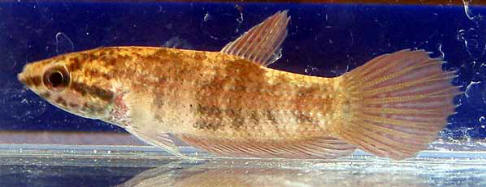
At a glance: Betta chini care
Compiled reference information. Review the care notes and original sources below.
What temperature is listed for Betta chini?
The compiled profile lists 20.0–29.0 °C for Betta chini (Betta chini). Check the original sources below for context and differing recommendations.
What tank size is listed for Betta chini?
The profile lists a minimum tank volume of 8.0 US gallons (30.0 liters). Volume alone does not establish suitability; consider dimensions, group size and other inhabitants alongside the full care notes.
What pH is listed for Betta chini?
The compiled profile lists a pH of 4.0–7.5. Review the cited care sources alongside the other water parameters in this profile.
Natural habitat
Betta chini is found in the peat bogs of Sabah, Borneo, where the water is typically brown or tea-colored. They thrive in water with a low pH (4.5-5) and very soft water conditions, resembling their natural habitat.
Where they are found
This species is endemic to two primary locations: the Klias Peninsula peat swamps and a hillstream near Babagon in Penampang District. The population is under severe pressure from habitat loss and degradation due to agriculture, logging, and fire risks.
Aquarium care
To care for Betta fish, maintain a tank temperature between 24°C and 29°C, with a stable pH between 6.8 and 7.5. Tanks should contain decorations like plants for hiding spots, and provide floating cover. Regular water changes and proper filtration are important for a healthy aquarium environment.
Feeding
This fish primarily eats small live foods and can be fed a diet of high-quality pellets, frozen, or live food like brine shrimp and daphnia.
Compatibility
Due to their semi-aggressive temperament, male Bettas should not be housed with other male Bettas and can be kept in a community tank only with non-aggressive species.
Breeding
Breeding involves the male collecting fertilized eggs into his buccal cavity after spawning embraces. This period lasts about ten days, during which the male does not feed. Fry are released as relatively well-developed youngsters.
Sources
Compiled from multiple independent care sheets — not copied from a single site.