fish · Loricaridae
Otocinclus
Otocinclus vittatus
Wild range: Amazon Basin (South America)
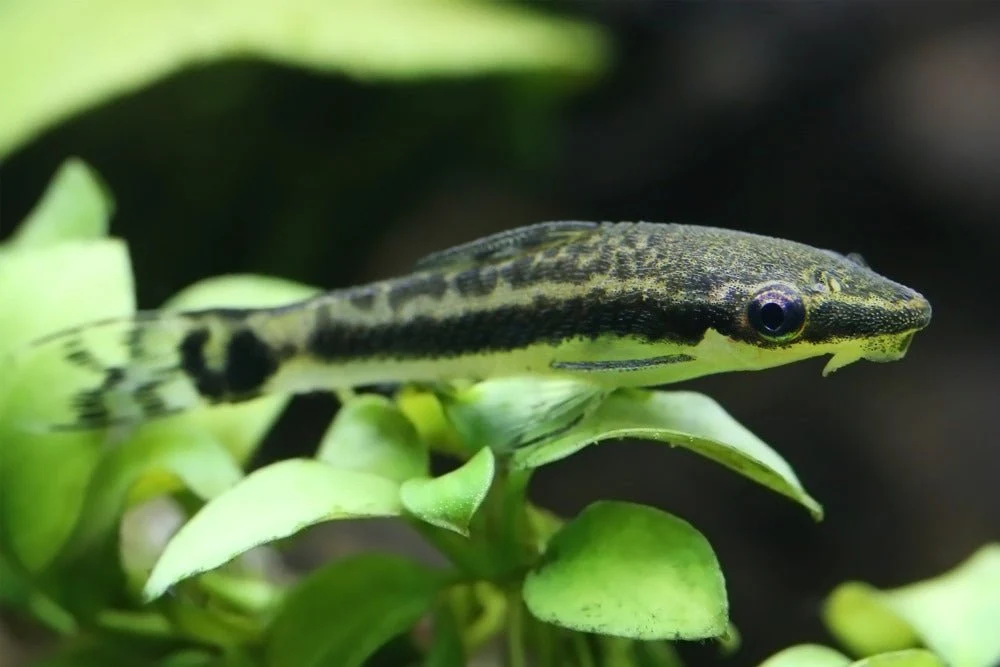
At a glance: Otocinclus care
Compiled reference information. Review the care notes and original sources below.
What temperature is listed for Otocinclus?
The compiled profile lists 21.0–28.0 °C for Otocinclus (Otocinclus vittatus). Check the original sources below for context and differing recommendations.
What tank size is listed for Otocinclus?
The profile lists a minimum tank volume of 10.0 US gallons (38.0 liters). Volume alone does not establish suitability; consider dimensions, group size and other inhabitants alongside the full care notes.
What pH is listed for Otocinclus?
The compiled profile lists a pH of 6.0–7.5. Review the cited care sources alongside the other water parameters in this profile.
Natural habitat
Otocinclus Catfish inhabit clean, well-oxygenated waters in streams and rivers within the Amazon Basin. They thrive in areas with plenty of vegetation, where they can find algae to graze on.
Where they are found
Found predominantly in the Amazon Basin, these fish are often collected from waters characterized by tannin-stained water and lush aquatic vegetation.
Aquarium care
These fish thrive best in well-planted aquariums with low stock densities and excellent water quality. A powerful, mature filter is necessary to process the aquarium's volume at least three times an hour, ensuring low ammonia, nitrite, and nitrate levels. Regular water changes of 25-30% weekly will maintain optimal water quality. Aim for temperatures between 22-28°C and a neutral to slightly acidic pH with soft water to make them feel comfortable. It's important to maintain a stable, clean environment to ensure their health.
Feeding
Though adept at grazing algae from tank decorations and plants, Otocinclus should be supplemented with high-quality sinking tablets or wafers to prevent malnourishment, especially in tanks with limited algae growth.
Compatibility
Otocinclus are peaceful and best kept in groups of at least six to promote social behavior. They can be housed with slow cichlids, peaceful characins, and small catfish like corys. They should be kept away from larger, predatory fish which may consider them as food.
Breeding
Breeding Otocinclus in aquariums is uncommon and requires optimal conditions. They lay eggs on smooth surfaces, but survival rates are low in community tanks due to predation by other fish. A dedicated breeding setup is recommended for success.
Sources
Compiled from multiple independent care sheets — not copied from a single site.