Catalog / fish / Viejita apistogramma
fish · Cichlidae
Viejita apistogramma
Apistogramma viejita
Wild range: Amazon Basin (South America)
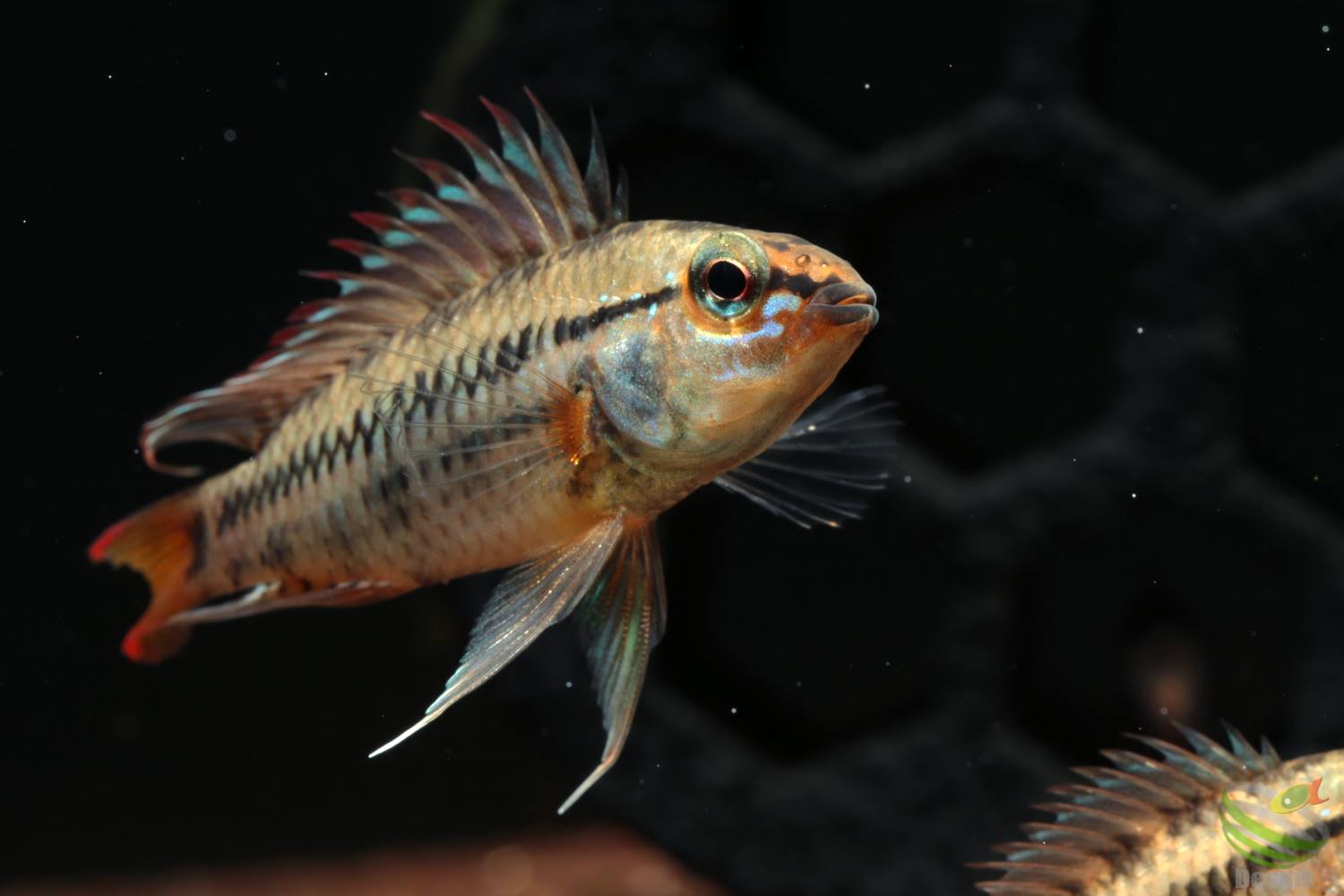
At a glance: Viejita apistogramma care
Compiled reference information. Review the care notes and original sources below.
What temperature is listed for Viejita apistogramma?
The compiled profile lists 24.0–28.0 °C for Viejita apistogramma (Apistogramma viejita). Check the original sources below for context and differing recommendations.
What tank size is listed for Viejita apistogramma?
The profile lists a minimum tank volume of 20.0 US gallons (75.0 liters). Volume alone does not establish suitability; consider dimensions, group size and other inhabitants alongside the full care notes.
What pH is listed for Viejita apistogramma?
The compiled profile lists a pH of 5.5–7.0. Review the cited care sources alongside the other water parameters in this profile.
Natural habitat
The Apistogramma viejita is typically found in slow-moving waters within dense vegetation of the Amazon Basin. These environments provide plenty of cover and rich, dark waters, contributing to the species’ preference for slightly acidic to neutral pH levels.
Where they are found
This species is commonly found in Brazil and Colombia, typically in dark, acidic waters characterized by soft substrates and abundant organic materials.
Aquarium care
For optimal care, maintain a gentle flow of water and ensure the tank features ample hiding spots and plants. Regular water changes are important to maintain water quality, as these fish prefer lower pH and soft water conditions.
Feeding
Apistogramma viejita thrives on a varied diet. Incorporate high-quality dry foods, frozen brine shrimp, daphnia, and live foods like blackworms to enhance their health and coloration.
Compatibility
This species is generally peaceful and can be kept with other compatible, non-aggressive species in a community tank. Care should be taken to monitor interactions during breeding periods.
Breeding
Breeding occurs in spawning sites made from flat stones or caves. The female typically guards the eggs and fry, making it essential to have sufficient space for the pair to retreat and establish territory.
Sources
Compiled from multiple independent care sheets — not copied from a single site.