Catalog / fish / Black phantom tetra
fish · Characidae
Black phantom tetra
Hyphessobrycon megalopterus
Wild range: Venezuela and Colombia (South America)
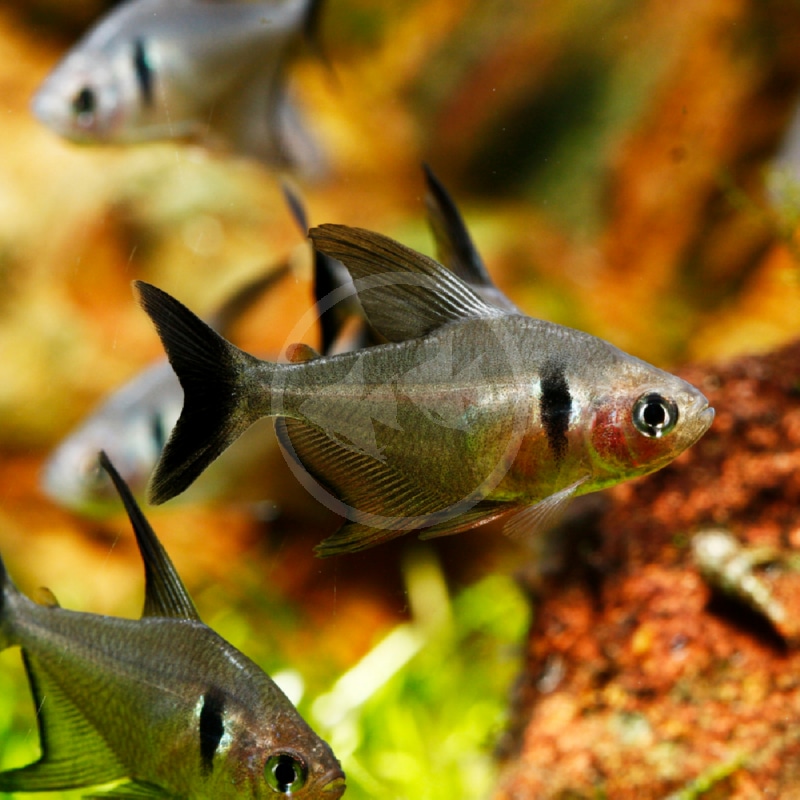
At a glance: Black phantom tetra care
Compiled reference information. Review the care notes and original sources below.
What temperature is listed for Black phantom tetra?
The compiled profile lists 21.0–28.0 °C for Black phantom tetra (Hyphessobrycon megalopterus). Check the original sources below for context and differing recommendations.
What tank size is listed for Black phantom tetra?
The profile lists a minimum tank volume of 15.0 US gallons (57.0 liters). Volume alone does not establish suitability; consider dimensions, group size and other inhabitants alongside the full care notes.
What pH is listed for Black phantom tetra?
The compiled profile lists a pH of 6.0–7.5. Review the cited care sources alongside the other water parameters in this profile.
Natural habitat
Red Phantom Tetras thrive in slow-moving streams and flooded waterways, often found in groups among plant life which provides shelter and foraging areas. Their natural habitat features plenty of foliage where they can hide, mimicking these conditions in your aquarium can help them feel more secure and display their vibrant colors.
Where they are found
The species is predominantly found in the river basins of Brazil and Bolivia, where they inhabit slow-moving waters with dense vegetation, providing ample hiding spots and foraging opportunities.
Aquarium care
For optimal health and vibrant coloration, maintain a well-planted aquarium with soft substrate and dim lighting. Regular water changes and a balanced diet are essential, including high-quality flakes, pellets, and occasional live food for enrichment. They prefer a tank with stable parameters while being sensitive to drastic changes in water chemistry.
Feeding
Black Phantom Tetras are easy to feed as they are omnivores. A varied diet rich in quality flake foods, micro pellets, and occasional live or frozen foods like bloodworms and brine shrimp helps maintain their health and vibrancy.
Compatibility
These fish are peaceful and ideal for community tanks. They thrive in groups of 6 or more and can be safely housed with other small, non-aggressive species like tetras, rasboras, and certain catfish.
Breeding
Breeding Red Phantom Tetras can be achieved in a well-planted breeding tank with gentle filtration. They often scatter eggs among the plants, and it's vital to separate the adults after spawning to prevent them from eating the eggs. Conditioning with high-quality live food can increase breeding success.
Sources
Compiled from multiple independent care sheets — not copied from a single site.