Catalog / invertebrates / Blue velvet shrimp
invertebrate · Osphronemidae
Blue velvet shrimp
Neocaridina davidi
Wild range: Southeast Asia (Asia)
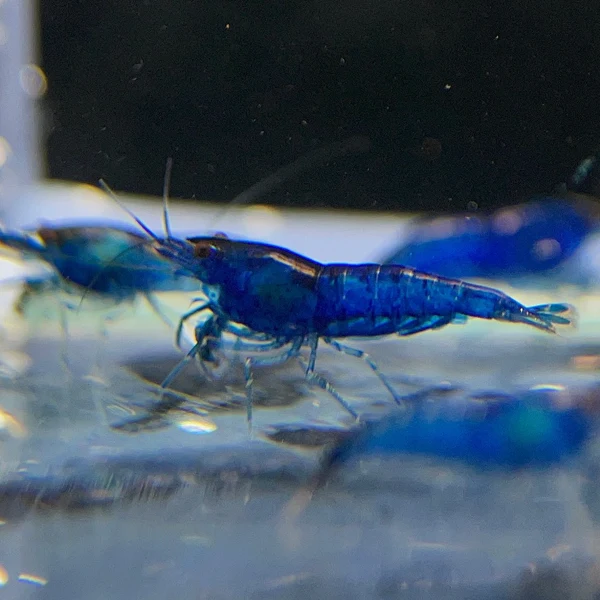
At a glance: Blue velvet shrimp care
Compiled reference information. Review the care notes and original sources below.
What temperature is listed for Blue velvet shrimp?
The compiled profile lists 20.0–30.0 °C for Blue velvet shrimp (Neocaridina davidi). Check the original sources below for context and differing recommendations.
What tank size is listed for Blue velvet shrimp?
The profile lists a minimum tank volume of 5.0 US gallons (19.0 liters). Volume alone does not establish suitability; consider dimensions, group size and other inhabitants alongside the full care notes.
What pH is listed for Blue velvet shrimp?
The compiled profile lists a pH of 6.5–7.5. Review the cited care sources alongside the other water parameters in this profile.
Natural habitat
Betta splendens, commonly known as the Siamese fighting fish, thrives in the calm waters of Southeast Asia, particularly in shallow ponds and rice paddies where vegetation is abundant. These habitats often feature soft, warm water, with abundant hiding spots provided by leaves and stems.
Where they are found
They originate from Eastern China and Northern Taiwan, where they inhabit freshwater streams and rivers with moderate flow and abundant plant life, which helps to sustain their diet of biofilm, detritus, and algae.
Aquarium care
Ensure stable water parameters including temperature, pH, hardness, and cleanliness. A properly filtered aquarium is critical; sponge filters are ideal as they provide gentle filtration without risking the shrimp being sucked in. Maintain dense plant cover for added security and food availability.
Feeding
Betta splendens are omnivorous and enjoy a varied diet consisting of high-quality pellets, frozen or freeze-dried foods like bloodworms and brine shrimp. It's important to avoid overfeeding, as this can lead to health issues.
Compatibility
Ideal for peaceful community tanks alongside other non-predatory species such as small rasboras or otocinclus catfish. Avoid larger and aggressive fish that may eat or harass the shrimp. Offer dense plant coverage for hiding spots especially for young shrimp.
Breeding
Breeding is fairly straightforward for Blue Dream Shrimp. Females are identifiable by their larger size and presence of a 'saddle' where fertilized eggs develop. After breeding, females will carry fertilized eggs for roughly 30 days before the shrimplets emerge, requiring immediate access to biofilm and plant cover for sustenance.
Sources
Compiled from multiple independent care sheets — not copied from a single site.