Catalog / fish / Betta breviobesa
fish · Osphronemidae
Betta breviobesa
Betta breviobesa
Wild range: Southeast Asia (Asia)
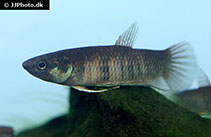
At a glance: Betta breviobesa care
Compiled reference information. Review the care notes and original sources below.
What temperature is listed for Betta breviobesa?
The compiled profile lists 21.0–27.0 °C for Betta breviobesa (Betta breviobesa). Check the original sources below for context and differing recommendations.
What tank size is listed for Betta breviobesa?
The profile lists a minimum tank volume of 1.0 US gallons (3.8 liters). Volume alone does not establish suitability; consider dimensions, group size and other inhabitants alongside the full care notes.
What pH is listed for Betta breviobesa?
The compiled profile lists a pH of 6.5–7.5. Review the cited care sources alongside the other water parameters in this profile.
Natural habitat
Betta splendens is native to lush, still waters like rice paddies and marshes in Thailand, where they thrive among dense vegetation that provides hiding spots.
Where they are found
Bettas are commonly found in marshy areas and floodplains across Thailand, Cambodia, and Vietnam, often in densely planted environments furnished with plenty of organic debris.
Aquarium care
Betta fish are hardy but thrive best in a properly maintained aquarium with stable water conditions. Regular monitoring and partial water changes are essential for their health.
Feeding
Betta fish are carnivorous, and a staple diet should include high-quality pellets specifically designed for bettas, supplemented with occasional live or frozen foods like bloodworms or brine shrimp for added nutrition.
Compatibility
Bettas are territorial and may display aggression towards other males or similarly shaped fish. Ensure they're in a suitable community with peaceful species as tank mates.
Breeding
Breeding involves the male building a bubble nest and courting the female. Once she is ready, they engage in a mating dance; after fertilization, the male protects the nest while the female is removed to prevent aggression.
Sources
Compiled from multiple independent care sheets — not copied from a single site.