Catalog / fish / Duplicareus corydoras
fish · Notopteridae
Duplicareus corydoras
Corydoras duplicareus
Wild range: Southeast Asia (Asia)
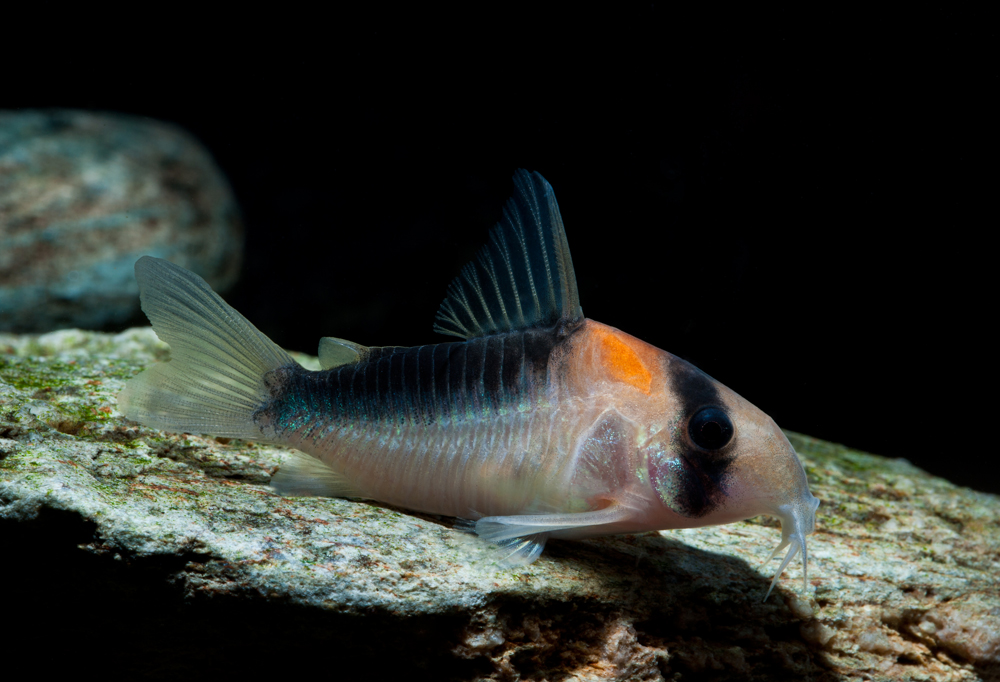
At a glance: Duplicareus corydoras care
Compiled reference information. Review the care notes and original sources below.
What temperature is listed for Duplicareus corydoras?
The compiled profile lists 20.0–28.0 °C for Duplicareus corydoras (Corydoras duplicareus). Check the original sources below for context and differing recommendations.
What tank size is listed for Duplicareus corydoras?
The profile lists a minimum tank volume of 15.9 US gallons (60.0 liters). Volume alone does not establish suitability; consider dimensions, group size and other inhabitants alongside the full care notes.
What pH is listed for Duplicareus corydoras?
The compiled profile lists a pH of 6.0–8.0. Review the cited care sources alongside the other water parameters in this profile.
Natural habitat
The Asian knifefish inhabits rivers and swamps, often found near the surface in slow-moving or stagnant waters. They prefer areas with abundant vegetation where they can hide and hunt for food.
Where they are found
This species is found predominantly in the Amazon River systems, particularly within the Rio Negro and its tributaries in Brazil, where they inhabit calm, shallow waters rich in organic material.
Aquarium care
To maintain C. duplicareus, a well-maintained aquarium with gentle filtration is essential. Regular water changes of about 30% weekly will help maintain water quality. The tank should include plenty of hiding places such as driftwood and plants, along with a soft substrate that allows for comfortable foraging.
Feeding
These fish are omnivorous and will accept a variety of foods, including flakes, pellets, frozen or live food such as bloodworms and brine shrimp. It is important to provide a diverse diet to ensure optimal health.
Compatibility
C. duplicareus is peaceful and can be kept with other non-aggressive species in a community tank. They are best kept in groups of at least five to enhance their natural behaviors and well-being.
Breeding
Breeding Hoplisoma duplicareum may require dedicated spawning conditions, ideally replicating their natural habitat. They lay eggs on flat surfaces or fine-leaved plants. It's beneficial to separate breeding pairs to minimize stress during the spawning process.
Sources
Compiled from multiple independent care sheets — not copied from a single site.