Catalog / fish / Blue dolphin cichlid
fish · Cichlidae
Blue dolphin cichlid
Cyrtocara moorii
Wild range: East Africa (Africa)
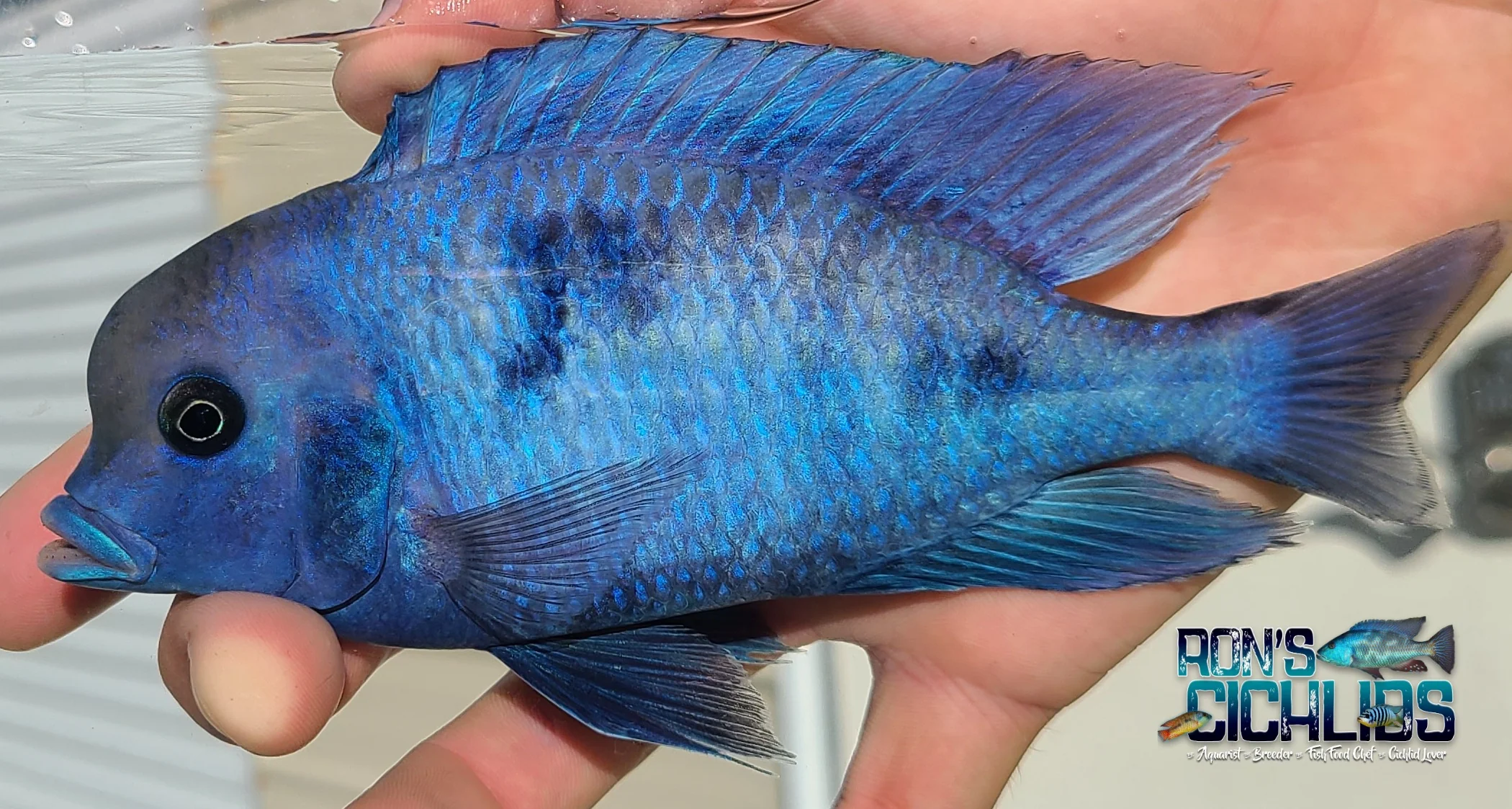
At a glance: Blue dolphin cichlid care
Compiled reference information. Review the care notes and original sources below.
What temperature is listed for Blue dolphin cichlid?
The compiled profile lists 23.0–27.0 °C for Blue dolphin cichlid (Cyrtocara moorii). Check the original sources below for context and differing recommendations.
What tank size is listed for Blue dolphin cichlid?
The profile lists a minimum tank volume of 48.0 US gallons (180.0 liters). Volume alone does not establish suitability; consider dimensions, group size and other inhabitants alongside the full care notes.
What pH is listed for Blue dolphin cichlid?
The compiled profile lists a pH of 7.0–8.6. Review the cited care sources alongside the other water parameters in this profile.
Natural habitat
Cyrtocara moorii, commonly known as the hump-head cichlid, thrives in the sandy substrates of Lake Malawi. This freshwater species prefers shallow waters where it can forage for food and establish its territory.
Where they are found
Endemic to the rocky areas of Lake Malawi, the Blue Dolphin Cichlid enjoys an environment with plenty of caves and ledges for shelter and breeding purposes, which are essential for their natural behaviors and breeding success.
Aquarium care
To ensure optimal care for Blue Dolphin Cichlids, maintain a tank of at least 125 gallons (473 liters), with strong filtration and aeration. Provide ample space and hiding spots to reduce territorial aggression. Regular water changes are essential for maintaining water quality and encouraging breeding behaviors.
Feeding
Cyrtocara moorii is an omnivorous species and can thrive on a varied diet. Providing high-quality pellets, flakes, and occasional live or frozen foods such as bloodworms will ensure optimal health. Feeding should be done in moderation to avoid overfeeding.
Compatibility
Due to their semi-aggressive nature, Blue Dolphin Cichlids should not be housed with small fish, as they may be viewed as prey. They thrive in either a species-only tank or a carefully selected community of larger, moderately aggressive fish.
Breeding
Breeding can be challenging due to the difficulty in sexing adults. Males are usually larger and may develop a pronounced cranial hump as they mature. It is recommended to maintain a ratio of one male to multiple females to reduce aggression and promote a stable breeding group. The females mouthbrood the eggs until they are ready to take care of fry.
Sources
Compiled from multiple independent care sheets — not copied from a single site.