Catalog / invertebrates / Rabbit snail
invertebrate
Rabbit snail
Tylomelania gemmifera
Wild range: Southeast Asia (Asia)
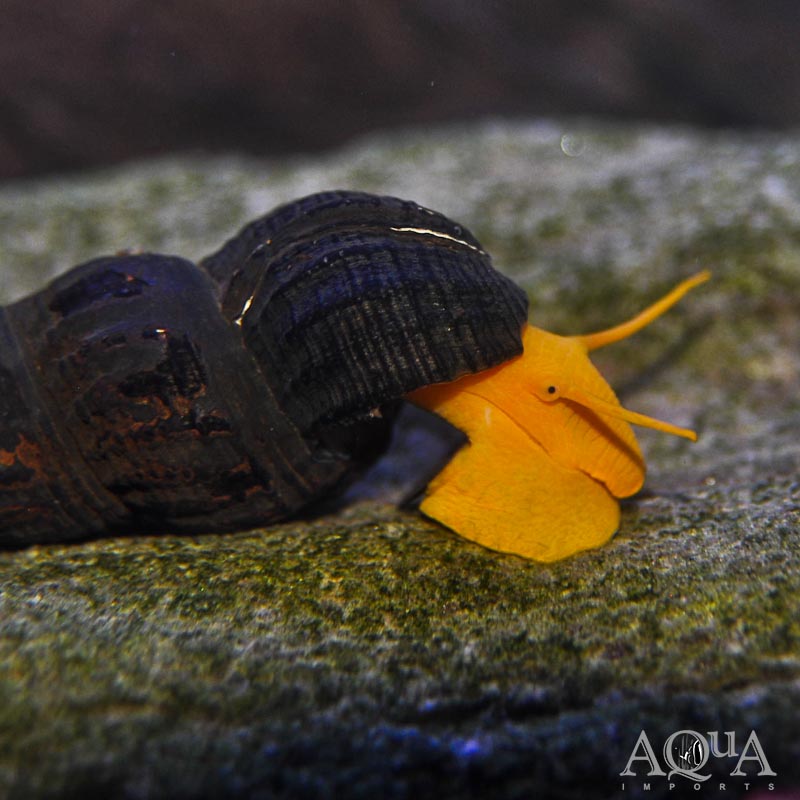
At a glance: Rabbit snail care
Compiled reference information. Review the care notes and original sources below.
What temperature is listed for Rabbit snail?
The compiled profile lists 21.0–29.4 °C for Rabbit snail (Tylomelania gemmifera). Check the original sources below for context and differing recommendations.
What tank size is listed for Rabbit snail?
The profile lists a minimum tank volume of 10.0 US gallons (38.0 liters). Volume alone does not establish suitability; consider dimensions, group size and other inhabitants alongside the full care notes.
What pH is listed for Rabbit snail?
The compiled profile lists a pH of 7.0–8.5. Review the cited care sources alongside the other water parameters in this profile.
Natural habitat
Rabbit Snails are native to the clear lakes of Sulawesi, Indonesia. They thrive in warm, slightly alkaline waters similar to their native habitats in lakes like Poso. Stability in temperature and pH is essential for their well-being.
Where they are found
These snails thrive in warm, hard water that's rich in minerals, related to their natural habitat in Indonesian lakes.
Aquarium care
To care for Rabbit snails, provide a tank of at least 30 gallons with smooth surfaces and a soft sandy substrate. The water should be maintained at a temperature of 24-29°C with a pH of 7-8. Ensure gentle water flow and moderate lighting to keep them comfortable. Monitor for sensitive conditions, as these snails are vulnerable to copper-based medications and strong filter intakes.
Feeding
Their diet comprises mainly of algae, biofilm, and non-toxic vegetables such as blanched spinach, zucchini, or cucumber. Supplementing with calcium sources like cuttlebone helps maintain healthy shells.
Compatibility
These snails are peaceful and mix well with non-aggressive fish and other invertebrates. Avoid keeping them with predator species like pufferfish, Oscars, and certain cichlids that may view them as food. It's best to house them in groups to foster social interactions and breeding behavior.
Breeding
Breeding requires both male and female snails. They reach sexual maturity after about a year and lay eggs in small sacs at intervals of 4 to 6 weeks.
Sources
Compiled from multiple independent care sheets — not copied from a single site.