fish · Helostomatidae
Betta strohi
Betta strohi
Wild range: Borneo (Asia)
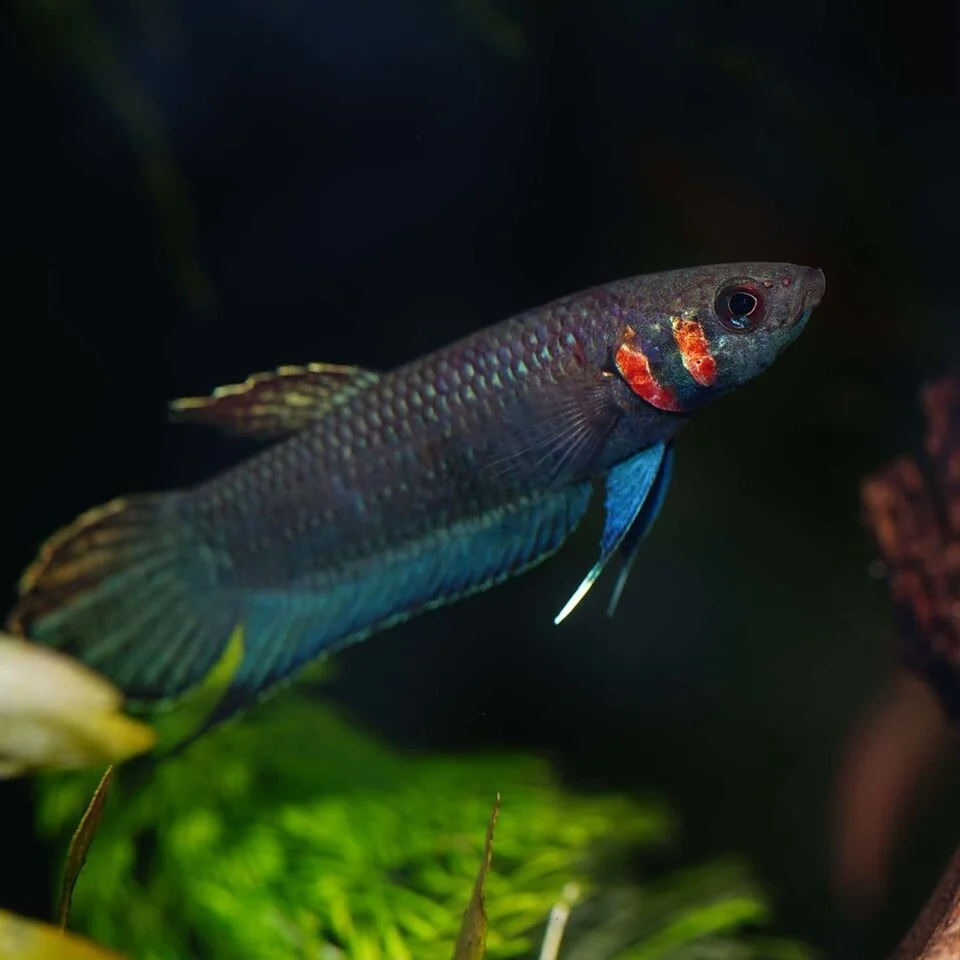
At a glance: Betta strohi care
Compiled reference information. Review the care notes and original sources below.
What temperature is listed for Betta strohi?
The compiled profile lists 24.0–28.0 °C for Betta strohi (Betta strohi). Check the original sources below for context and differing recommendations.
What tank size is listed for Betta strohi?
The profile lists a minimum tank volume of 5.0 US gallons (19.0 liters). Volume alone does not establish suitability; consider dimensions, group size and other inhabitants alongside the full care notes.
What pH is listed for Betta strohi?
The compiled profile lists a pH of 6.0–8.0. Review the cited care sources alongside the other water parameters in this profile.
Natural habitat
The Strohi Betta is found predominantly in the blackwater rivers of Borneo, particularly south of Sukamara. The habitats consist of slow-moving waters with dense vegetation and leaf litter, providing both shelter and foraging opportunities for these fish.
Where they are found
The natural range of Betta Fish includes parts of Thailand, Cambodia, Laos, and Vietnam, where they thrive in warm, slightly acidic waters with abundant plant life.
Aquarium care
Keep your betta in a tank of at least 5 gallons with a lid to prevent jumping. Maintain a stable temperature between 24-27°C. Regularly change 25% of the tank water weekly and ensure the water is treated to remove chlorine and heavy metals. Utilize a gentle filter to avoid strong currents.
Feeding
A balanced diet consisting of high-quality flake food, live or frozen foods such as daphnia, and mosquito larvae will keep them healthy. Overfeeding should be avoided to maintain water quality.
Compatibility
Betta fish can be aggressive towards their own species, especially males; thus, it's advisable not to house them together. Suitable tankmates include peaceful bottom-dwellers like Corydoras or snails that do not resemble bettas. Monitor interactions closely.
Breeding
Breeding Bettas can be challenging, requiring patience. They are egg layers and display a bubble-nesting behavior. Males should be introduced to females in a breeding tank that provides plenty of hiding spots and low light during breeding time.
Sources
Compiled from multiple independent care sheets — not copied from a single site.