Catalog / invertebrates / Electric blue crayfish
invertebrate · Cambaridae
Electric blue crayfish
Procambarus alleni
Wild range: Southeastern United States (North America)
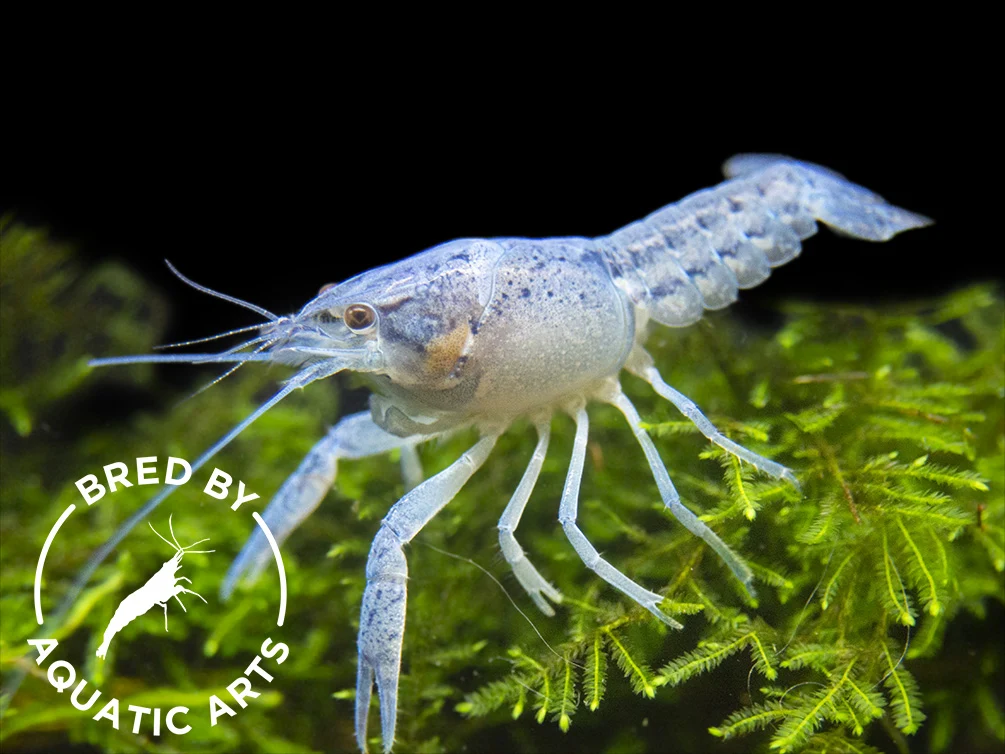
At a glance: Electric blue crayfish care
Compiled reference information. Review the care notes and original sources below.
What temperature is listed for Electric blue crayfish?
The compiled profile lists 15.0–29.4 °C for Electric blue crayfish (Procambarus alleni). Check the original sources below for context and differing recommendations.
What tank size is listed for Electric blue crayfish?
The profile lists a minimum tank volume of 20.0 US gallons (75.0 liters). Volume alone does not establish suitability; consider dimensions, group size and other inhabitants alongside the full care notes.
What pH is listed for Electric blue crayfish?
The compiled profile lists a pH of 6.0–9.0. Review the cited care sources alongside the other water parameters in this profile.
Natural habitat
Blue Crayfish are native to freshwater habitats in Florida and the southeastern United States. They thrive in environments with stable water parameters, hiding spots, and gradual temperature variations.
Where they are found
Primarily found in Florida but also present in other southeastern states, they occupy a variety of freshwater environments where they have access to plenty of cover.
Aquarium care
For optimal care, provide a minimum tank size of 20 gallons for one Florida crayfish, with at least 10 additional gallons for each extra crayfish. Incorporate plenty of hiding spots like tubes and caves as they are nocturnal and require seclusion during the day. Regular water changes and well-filtered conditions will promote longevity and health.
Feeding
Feed Blue Crayfish a balanced diet consisting primarily of shrimp pellets and supplement with vegetables like zucchini or peas. Avoid overfeeding and remove any uneaten food promptly.
Compatibility
Given their semi-aggressive nature and opportunistic feeding habits, it's generally best to keep Florida crayfish alone. While some success has been reported when housing them with fast-moving fish, a species-only tank is recommended to minimize stress and aggression.
Breeding
They breed by laying eggs under the female's tail. Provide plenty of hiding places for the females to carry and care for their young. Mothers usually are protective of their eggs and young.
Sources
Compiled from multiple independent care sheets — not copied from a single site.