fish · Osphronemidae
Betta andrei
Betta andrei
Wild range: Southeast Asia (Asia)
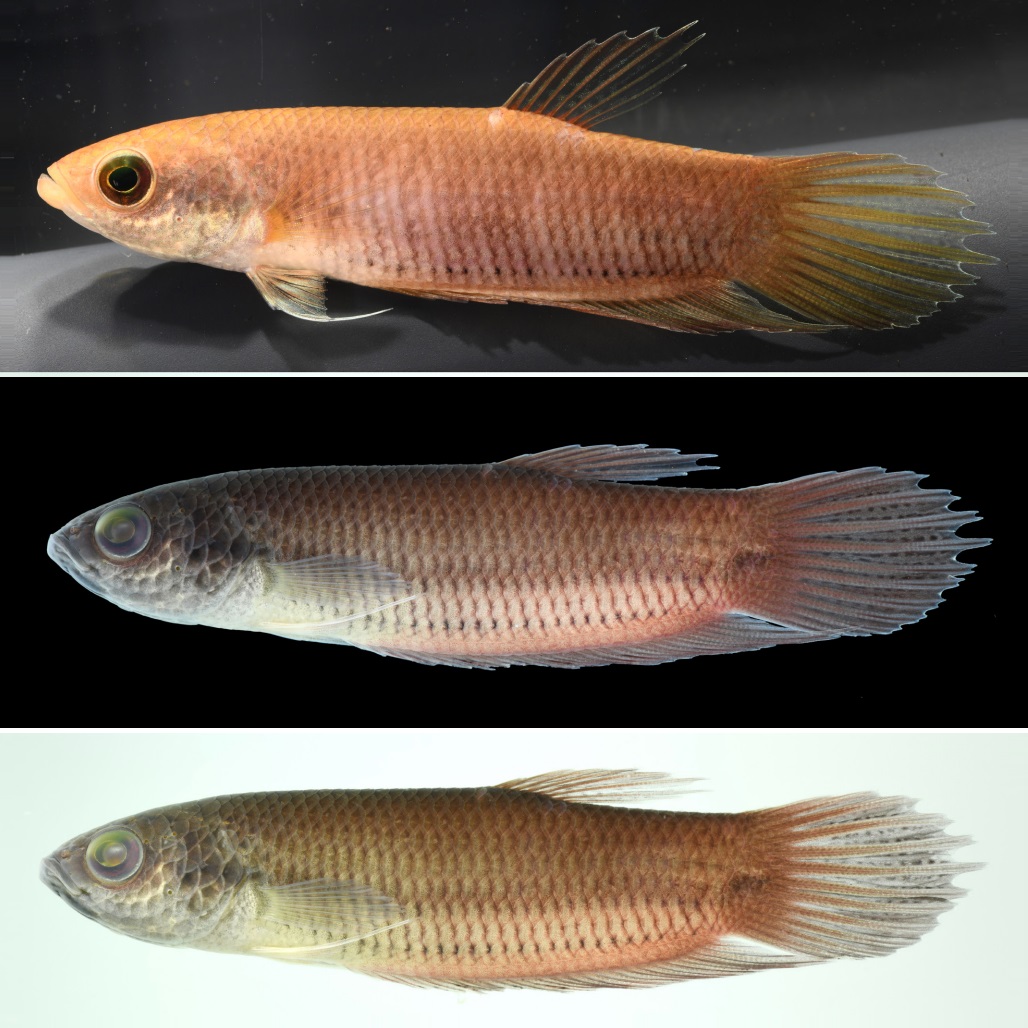
At a glance: Betta andrei care
Compiled reference information. Review the care notes and original sources below.
What temperature is listed for Betta andrei?
The compiled profile lists 24.0–30.0 °C for Betta andrei (Betta andrei). Check the original sources below for context and differing recommendations.
What tank size is listed for Betta andrei?
The profile lists a minimum tank volume of 5.0 US gallons (18.9 liters). Volume alone does not establish suitability; consider dimensions, group size and other inhabitants alongside the full care notes.
What pH is listed for Betta andrei?
The compiled profile lists a pH of 5.0–7.2. Review the cited care sources alongside the other water parameters in this profile.
Natural habitat
Bettas are native to shallow waters, particularly rice paddies and small streams in South East Asia. These habitats are often rich in vegetation, which provides cover and feeding opportunities. The waters are typically warm and can be slightly acidic, with a variety of natural microorganisms that serve as food sources.
Where they are found
It is limited to Singkep Island, making it particularly sensitive to habitat changes.
Aquarium care
To keep a Betta healthy, provide a tank no smaller than 18.92 liters (5 gallons) with a good filtration system. Heating is essential, as Bettas thrive in temperatures between 25°C and 26°C. Regular water changes of 25%-50% weekly will help maintain water quality. The inclusion of plants and decorations will offer hiding spots, enriching their habitat without causing damage to their delicate fins.
Feeding
A varied diet is important, including high-quality flakes, frozen foods, and live foods to ensure optimal health and coloration.
Compatibility
While Betta andrei can be kept with selected species, they should not be housed with similarly shaped or colored males, as they may be aggressive. Community tanks should include plenty of space and hiding spots.
Breeding
Breeding Bettas is a careful process that involves setting up a separate breeding tank. The male will construct a bubble nest and entice the female to spawn. After spawning, remove the female to prevent aggression from the male, who will care for the eggs until they hatch.
Sources
Compiled from multiple independent care sheets — not copied from a single site.