Catalog / fish / Betta miniopinna
fish · Osphronemidae
Betta miniopinna
Betta miniopinna
Wild range: Southeast Asia (Asia)
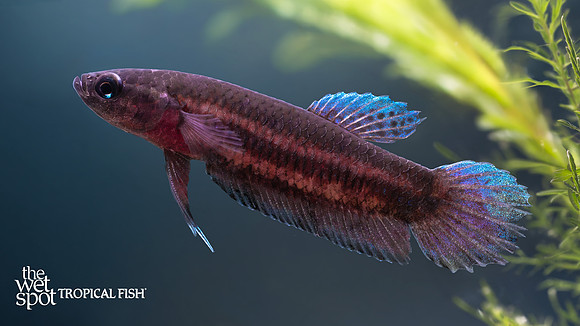
At a glance: Betta miniopinna care
Compiled reference information. Review the care notes and original sources below.
What temperature is listed for Betta miniopinna?
The compiled profile lists 24.0–30.0 °C for Betta miniopinna (Betta miniopinna). Check the original sources below for context and differing recommendations.
What tank size is listed for Betta miniopinna?
The profile lists a minimum tank volume of 7.9 US gallons (30.0 liters). Volume alone does not establish suitability; consider dimensions, group size and other inhabitants alongside the full care notes.
What pH is listed for Betta miniopinna?
The compiled profile lists a pH of 4.9–8.0. Review the cited care sources alongside the other water parameters in this profile.
Natural habitat
The Betta miniopinna is typically found in freshwater habitats characterized by calm, slow-moving waters such as marshes and swamps. These areas are often rich in vegetation, providing both cover and breeding grounds for the species. Their native range suggests they thrive in environments that mimic warm water conditions with some level of aquatic flora.
Where they are found
Found predominantly in freshwater ecosystems like shallow waters with abundant vegetation and substrate.
Aquarium care
To successfully keep Betta miniopinna, replicate their natural habitat as closely as possible. Provide dense planting to offer hiding spots, and maintain a calm environment to reduce stress in these fish. Regular water changes and monitoring pH levels are essential for their health.
Feeding
Dietary needs for Betta miniopinna include a mix of high-quality flakes, pellets, and occasional live or frozen foods such as brine shrimp or bloodworms. It is essential to vary their diet to ensure they receive all the necessary nutrients for optimal health.
Compatibility
This species is aggressive, particularly males. Care should be taken when selecting tank mates; it is recommended to avoid keeping them with other aggressive species or in too small of a space to prevent territorial disputes.
Breeding
Breeding these Bettas is relatively straightforward. They are bubble nesters and require a separate breeding tank with calm water conditions for successful reproduction.
Sources
Compiled from multiple independent care sheets — not copied from a single site.