Catalog / fish / Betta stigmosa
fish · Osphronemidae
Betta stigmosa
Betta stigmosa
Wild range: Southeast Asia (Asia)
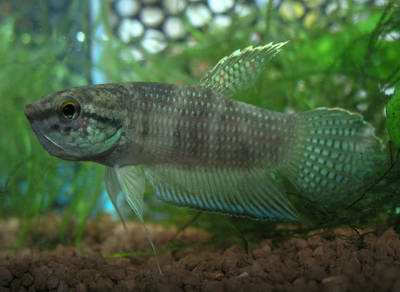
At a glance: Betta stigmosa care
Compiled reference information. Review the care notes and original sources below.
What temperature is listed for Betta stigmosa?
The compiled profile lists 21.0–28.0 °C for Betta stigmosa (Betta stigmosa). Check the original sources below for context and differing recommendations.
What tank size is listed for Betta stigmosa?
The profile lists a minimum tank volume of 14.3 US gallons (54.0 liters). Volume alone does not establish suitability; consider dimensions, group size and other inhabitants alongside the full care notes.
What pH is listed for Betta stigmosa?
The compiled profile lists a pH of 5.0–8.0. Review the cited care sources alongside the other water parameters in this profile.
Natural habitat
Betta stigmosa is found in swampy regions and small freshwater streams in Malaysia, particularly in areas near Sekayu waterfalls. The water is typically clean and well-filtered, contributing to the species' adaptability to varying conditions.
Where they are found
Initially considered locally endemic to the Sekayu waterfalls area in Terengganu, Malaysia, but subsequently found about 150 km south of the type locality, indicating a wider distribution.
Aquarium care
Keeping Betta stigmosa requires attention to water quality and proper tank size. A paired setup should be in at least a 38-liter (10-gallon) tank, while groups require a minimum of 113.6 liters (30 gallons). It's essential to provide plenty of hiding spaces and plants for comfort. Regular water changes help maintain high water quality.
Feeding
In captivity, Betta stigmosa thrives on a diet of live or frozen foods like Daphnia, Artemia, or bloodworms. They can also consume dried food but should be introduced gradually. Care should be taken to avoid overfeeding, as Betta spp. are prone to obesity.
Compatibility
Best kept alone or with very peaceful species. Larger or more aggressive fish may intimidate Betta stigmosa, so careful consideration of tank mates is essential.
Breeding
This species is a paternal mouthbrooder; males will incubate the eggs for 12 to 18 days. Spawning is usually initiated by the female, and it's recommended to remove the male after the fry become free-swimming to prevent any distress.
Sources
Compiled from multiple independent care sheets — not copied from a single site.