Catalog / invertebrates / Snowball shrimp
invertebrate · Atyidae
Snowball shrimp
Neocaridina davidi
Wild range: East Asia (Asia)
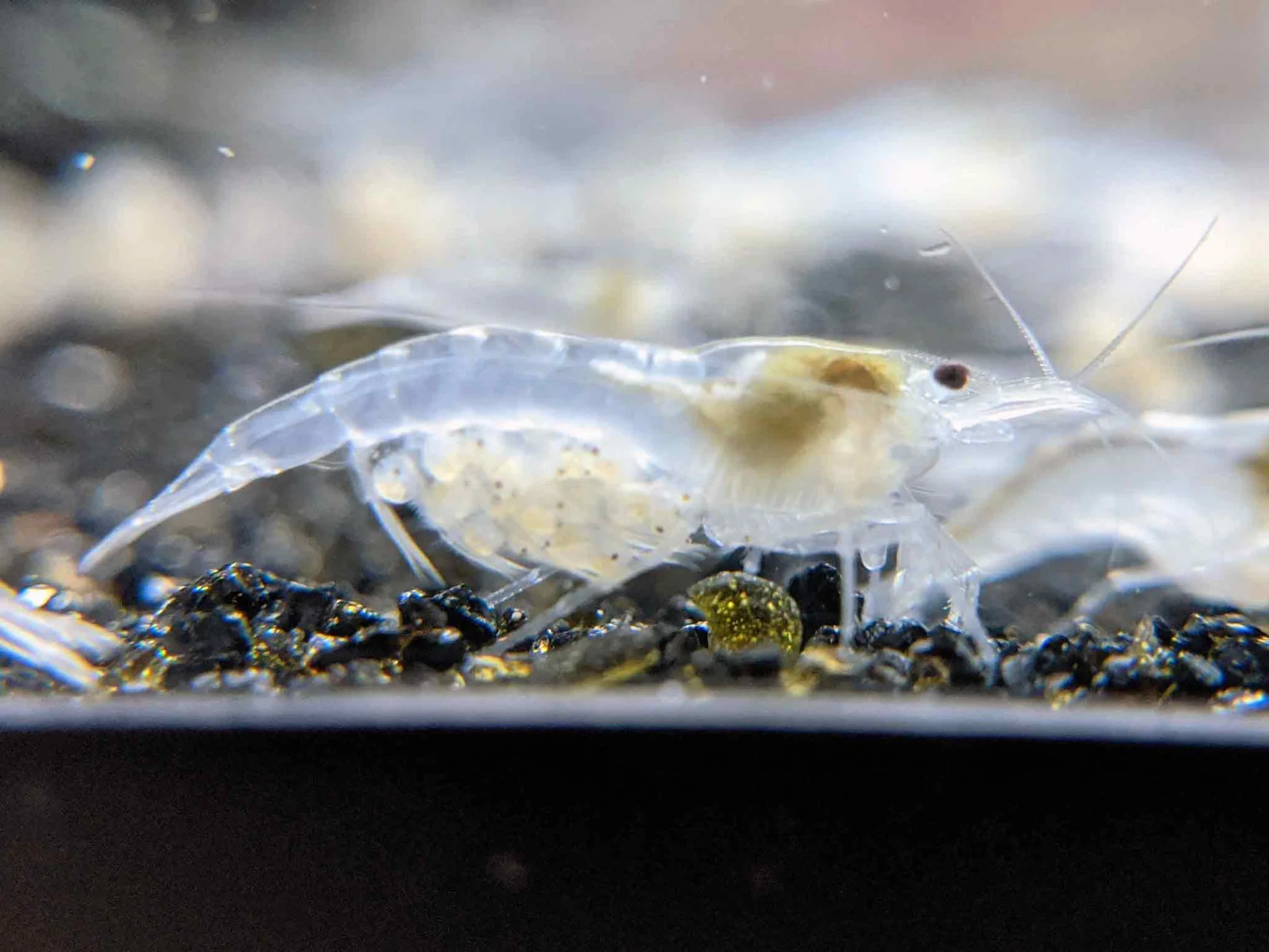
At a glance: Snowball shrimp care
Compiled reference information. Review the care notes and original sources below.
What temperature is listed for Snowball shrimp?
The compiled profile lists 20.0–28.0 °C for Snowball shrimp (Neocaridina davidi). Check the original sources below for context and differing recommendations.
What tank size is listed for Snowball shrimp?
The profile lists a minimum tank volume of 5.0 US gallons (19.0 liters). Volume alone does not establish suitability; consider dimensions, group size and other inhabitants alongside the full care notes.
What pH is listed for Snowball shrimp?
The compiled profile lists a pH of 6.0–8.0. Review the cited care sources alongside the other water parameters in this profile.
Natural habitat
Neocaridina davidi thrives in heavily planted environments, preferring tank setups with ample hiding spots and grazing areas including driftwood, rocks, and leaf litter. They are quite adaptable but benefit from stability in their environment.
Where they are found
The species has established populations across Europe, North America, and Asia due to ornamental trade and accidental releases, often found in thermal effluent zones which raises concerns about ecological impacts.
Aquarium care
Snowball shrimp are hardy and can adapt to various water parameters, making them suitable for beginners. Keeping a stable environment with occasional water changes is critical for their health. They require a minimum tank size of 40 liters and should be kept in groups to ensure social interaction.
Feeding
As omnivores, their diet should include high-quality shrimp pellets and flakes. Supplement with algae wafers, blanched vegetables, and powdered food for juvenile shrimp.
Compatibility
Snowball shrimp are very social and can coexist with a variety of tank mates, including peaceful fish and snails. However, to preserve their unique coloration, it is advisable to avoid keeping them with other Neocaridina species that may interbreed and alter their genetics.
Breeding
Breeding is straightforward, as females carry eggs in pleopods that hatch directly into miniature shrimp without a larval stage. Optimal conditions and regular water changes enhance breeding success.
Sources
Compiled from multiple independent care sheets — not copied from a single site.