Catalog / invertebrates / Zebra nerite snail
invertebrate · Neritidae
Zebra nerite snail
Neritina natalensis
Wild range: East Africa (Africa)
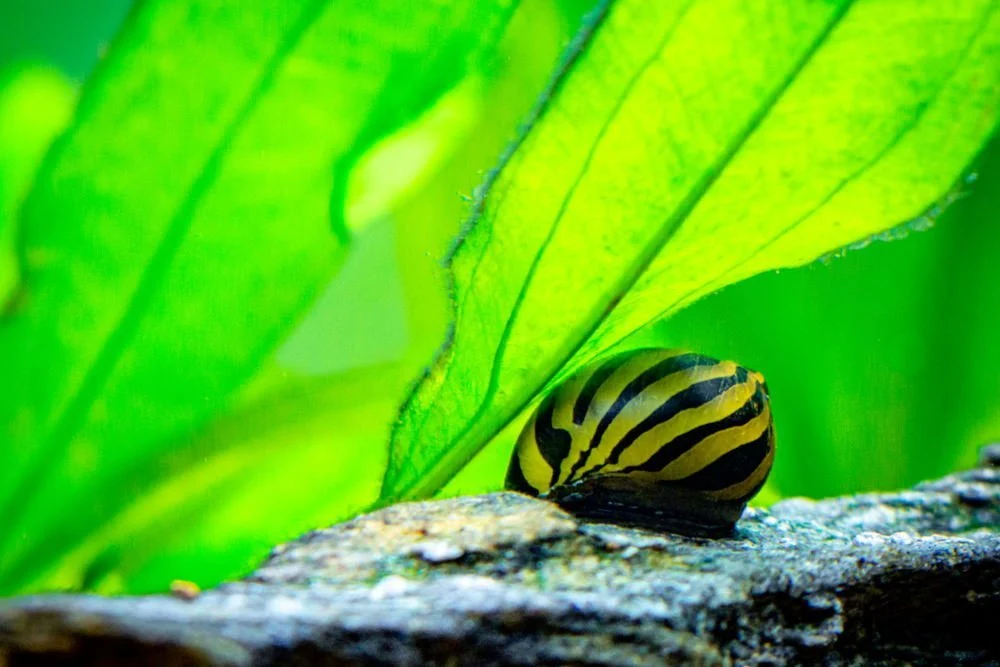
At a glance: Zebra nerite snail care
Compiled reference information. Review the care notes and original sources below.
What temperature is listed for Zebra nerite snail?
The compiled profile lists 18.3–30.0 °C for Zebra nerite snail (Neritina natalensis). Check the original sources below for context and differing recommendations.
What tank size is listed for Zebra nerite snail?
The profile lists a minimum tank volume of 5.0 US gallons (20.0 liters). Volume alone does not establish suitability; consider dimensions, group size and other inhabitants alongside the full care notes.
What pH is listed for Zebra nerite snail?
The compiled profile lists a pH of 6.8–8.4. Review the cited care sources alongside the other water parameters in this profile.
Natural habitat
Nerite Snails are predominantly found in freshwater pools, ponds, and slower-moving streams. They are endemic to the coastal regions of East Africa, particularly in Kenya, Mozambique, Somalia, South Africa, and Tanzania. These snails thrive in natural habitats that possess algae and uneaten food for scavenging.
Where they are found
These snails are adaptable and found in diverse habitats across tropical and subtropical regions.
Aquarium care
Caring for Zebra Nerite Snails is quite simple. They prefer a well-maintained environment with stable water parameters. It’s crucial to avoid copper in the water as it is toxic to snails. Keeping them in a tank of at least 10 gallons is recommended, ensuring they have plenty of surfaces to graze on. Use a gentle filter to maintain water flow without creating strong currents that may stress the snails.
Feeding
While generally able to sustain on algae and detritus, Nerite Snails may require supplemental feeding in very clean tanks. They are fond of algae cleaning and will eat uneaten food and debris found in the aquarium.
Compatibility
Zebra Nerite Snails are generally peaceful and can be housed with a variety of fish and invertebrates. They won’t harm plants and are safe to keep in community tanks. However, ensure that any tank mates are not overly aggressive and that the snails have enough space to roam and graze without being disturbed.
Breeding
Breeding these snails in a freshwater tank is practically impossible as they require brackish water conditions for their eggs to hatch properly. Females lay egg capsules that require saltwater for the larvae to survive.
Sources
Compiled from multiple independent care sheets — not copied from a single site.