Catalog / plants / Bucephalandra pygmaea
plant · Angiotensinaceae
Bucephalandra pygmaea
Bucephalandra pygmaea
Wild range: Southeast Asia and South Pacific Islands (Asia)
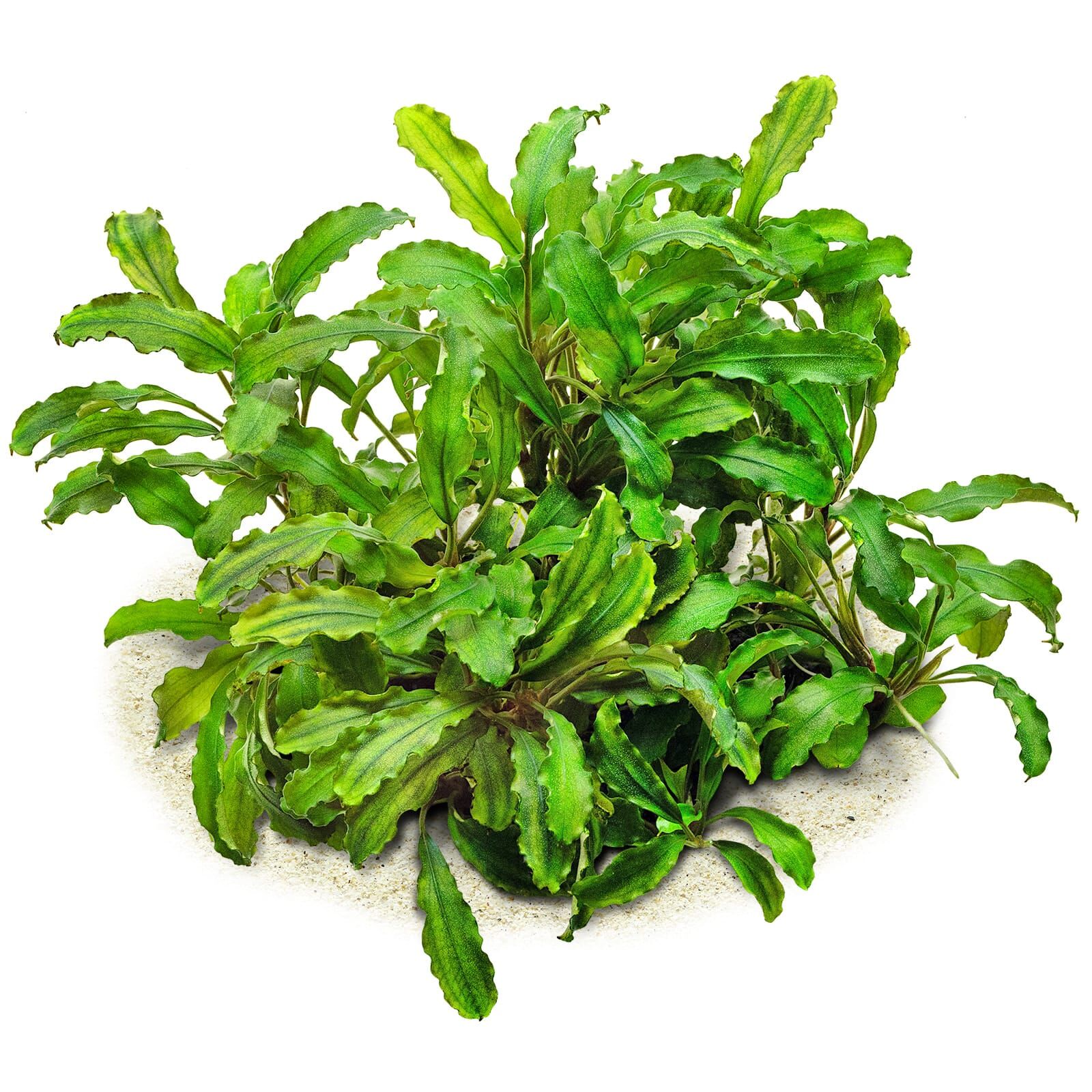
At a glance: Bucephalandra pygmaea care
Compiled reference information. Review the care notes and original sources below.
What temperature is listed for Bucephalandra pygmaea?
The compiled profile lists 20.0–28.0 °C for Bucephalandra pygmaea (Bucephalandra pygmaea). Check the original sources below for context and differing recommendations.
What tank size is listed for Bucephalandra pygmaea?
The profile lists a minimum tank volume of 2.6 US gallons (10.0 liters). Volume alone does not establish suitability; consider dimensions, group size and other inhabitants alongside the full care notes.
What pH is listed for Bucephalandra pygmaea?
The compiled profile lists a pH of 6.0–8.0. Review the cited care sources alongside the other water parameters in this profile.
Natural habitat
Bucephalandra pygmaea is native to the lowland streams and rivers of Southeast Asia and the South Pacific Islands, thriving in freshwater environments with low sunlight levels. This species typically grows attached to rocks and wood, using its rhizome to anchor itself.
Where they are found
This plant is endemic to Borneo, where it can be found primarily in shaded areas of rivers and streams, which protect it from direct sunlight.
Aquarium care
Bucephalandra pygmaea is an easy-care plant, ideal for beginners. It requires low to moderate light and benefits from occasional fertilization. The plant should not be planted too deeply; the rhizome should be left exposed to prevent rotting.
Feeding
Bucephalandra does not require specific feeding; it can absorb nutrients from the water column and through its roots. Regular water changes will help maintain a healthy environment for growth.
Compatibility
This species is generally compatible with other peaceful freshwater fish and shrimp. Its slow growth and low nutrient demands make it a great choice for community tanks without aggressive inhabitants.
Breeding
This plant propagates through vegetative means. New plants can be grown from cuttings of the rhizome. It is essential to ensure that the cuttings remain healthy and are placed strategically in the substrate or attached to rocks.
Sources
Compiled from multiple independent care sheets — not copied from a single site.