Catalog / fish / Striped Raphael catfish
fish · Doradidae
Striped Raphael catfish
Platydoras armatulus
Wild range: Amazon Basin (South America)
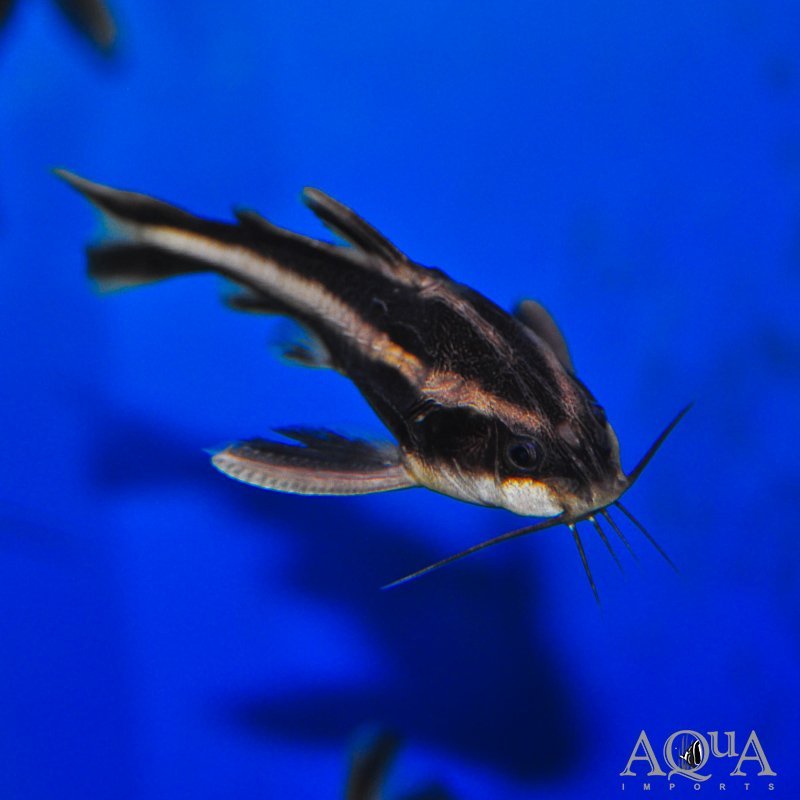
At a glance: Striped Raphael catfish care
Compiled reference information. Review the care notes and original sources below.
What temperature is listed for Striped Raphael catfish?
The compiled profile lists 22.7–27.0 °C for Striped Raphael catfish (Platydoras armatulus). Check the original sources below for context and differing recommendations.
What tank size is listed for Striped Raphael catfish?
The profile lists a minimum tank volume of 30.0 US gallons (113.6 liters). Volume alone does not establish suitability; consider dimensions, group size and other inhabitants alongside the full care notes.
What pH is listed for Striped Raphael catfish?
The compiled profile lists a pH of 5.5–7.6. Review the cited care sources alongside the other water parameters in this profile.
Natural habitat
The Raphael Catfish originates from freshwater ecosystems in South America, primarily inhabiting river basins like the Amazon, Essequibo, and Orinoco, often found in sandy substrates among mangrove roots or amidst floating plants in tropical forests.
Where they are found
This species is typically found in slow-moving waters with plenty of hiding spots, making it a natural bottom dweller that thrives in peaceful community settings with other compatible species.
Aquarium care
Raphael catfish are hardy and easy to care for, making them ideal for beginner aquarists. Provide a spacious aquarium with sandy substrate and sufficient hiding spots. A good filtration system is necessary to manage their waste, and regular water changes are recommended.
Feeding
In captivity, the Raphael Catfish accepts a variety of foods including blood worms, sinking pellets, and commercially prepared catfish food. In their natural habitat, they consume crustaceans and organic debris.
Compatibility
Typically peaceful, Raphael catfish can coexist with larger community fish and benefit from being in groups. However, care should be taken with smaller fish, as they may be seen as prey. Avoid aggressive species to prevent injury to tankmates.
Breeding
Breeding Striped Raphael Catfish in home aquariums is considered difficult. While distinguishing males from females is possible based on size and color, successful breeding has not been commonly documented, making it rare.
Sources
Compiled from multiple independent care sheets — not copied from a single site.