Catalog / fish / Elephantnose fish
fish · Mormyridae
Elephantnose fish
Gnathonemus petersii
Wild range: West Africa (Africa)
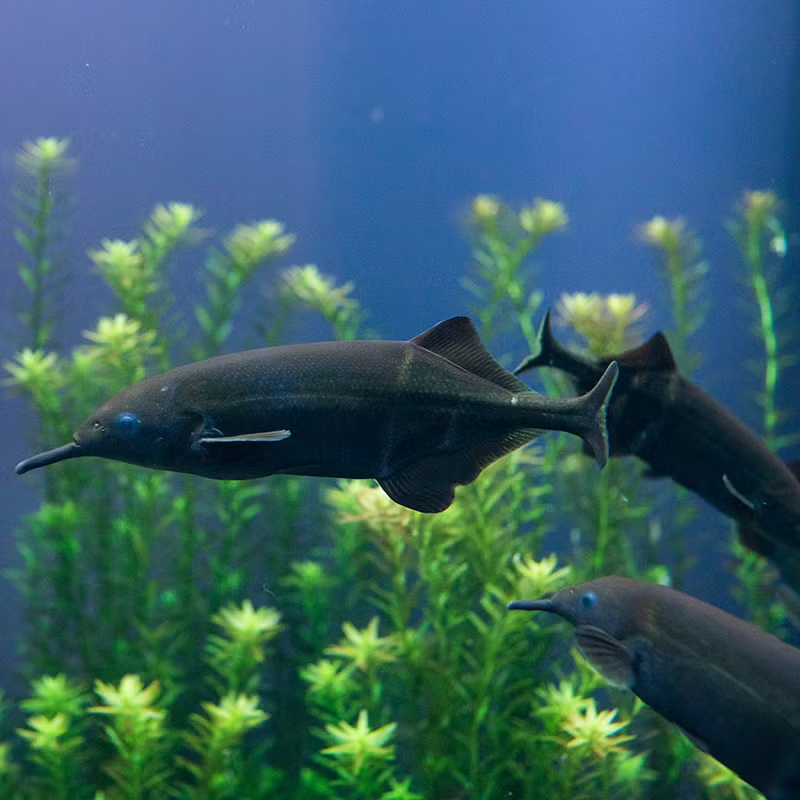
At a glance: Elephantnose fish care
Compiled reference information. Review the care notes and original sources below.
What temperature is listed for Elephantnose fish?
The compiled profile lists 23.0–28.0 °C for Elephantnose fish (Gnathonemus petersii). Check the original sources below for context and differing recommendations.
What tank size is listed for Elephantnose fish?
The profile lists a minimum tank volume of 40.0 US gallons (151.0 liters). Volume alone does not establish suitability; consider dimensions, group size and other inhabitants alongside the full care notes.
What pH is listed for Elephantnose fish?
The compiled profile lists a pH of 6.0–7.5. Review the cited care sources alongside the other water parameters in this profile.
Natural habitat
The Elephant Nose Fish is predominantly found in the slow-moving waters of the Congo River Basin where it thrives in soft, acidic waters rich in organic material and dense vegetation. They prefer dimly lit environments with ample hiding spots.
Where they are found
These fish are primarily found in the shallow, low-light areas of their native habitat, where they utilize their unique electric sensing abilities to locate food and navigate in the dark waters.
Aquarium care
To accommodate the Elephantnose fish, a tank that mimics its natural environment is crucial. Dim lighting is necessary for their comfort, as they are nocturnal, and ample hiding spaces should be provided using smooth rocks and plants like Anubias and java fern. A soft sand substrate is vital to prevent damage to their sensitive mouths as they tend to burrow.
Feeding
They have a preference for live and frozen foods, particularly brine shrimp and bloodworms. Flake foods are typically ignored, and they may starve without adequate nutritious offerings. Consider supplementing their diet with high-quality sinking pellets specifically designed for bottom feeders.
Compatibility
These fish are relatively peaceful, but they do require careful tankmate selection due to their territorial nature. They should not be housed with overly active or aggressive species, as this can lead to competition for food. Suitable companions include other calm African fish such as smaller bichirs and tetras. Keeping multiple Elephantnose fish can be feasible in larger tanks with sufficient hiding spots to distribute territorial aggression.
Breeding
Breeding elephantnose fish in captivity is very challenging. Their unique electrical signaling can be altered under aquarium conditions, complicating gender identification and successful mating. As such, breeding efforts are typically unsuccessful.
Sources
Compiled from multiple independent care sheets — not copied from a single site.