Catalog / fish / Daffodil cichlid
fish · Cichlidae
Daffodil cichlid
Neolamprologus pulcher
Wild range: Lake Tanganyika (Africa)
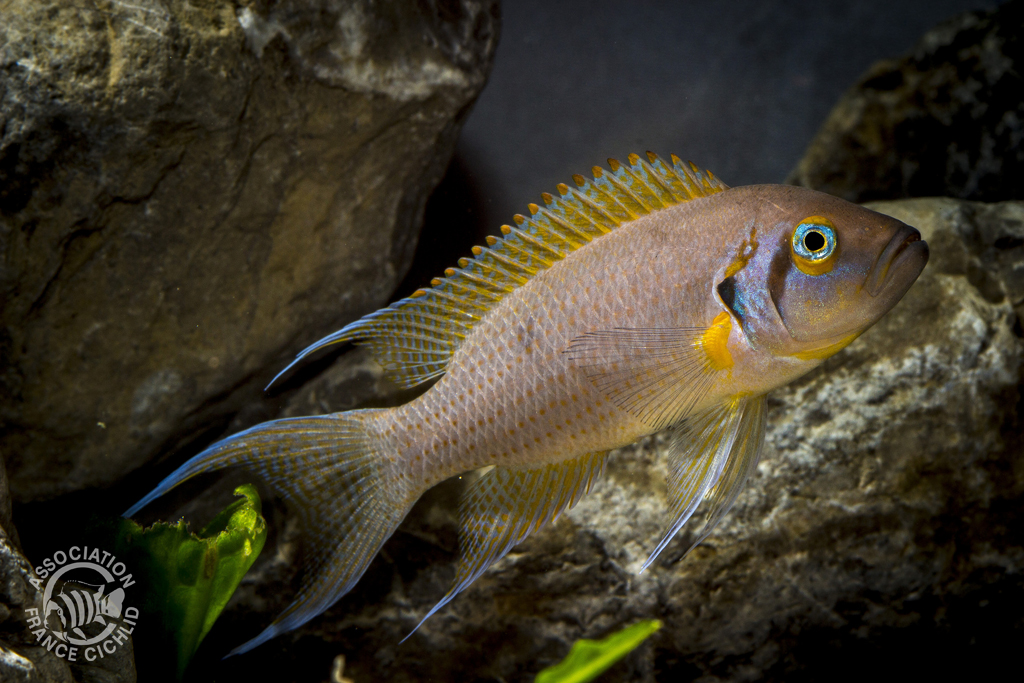
At a glance: Daffodil cichlid care
Compiled reference information. Review the care notes and original sources below.
What temperature is listed for Daffodil cichlid?
The compiled profile lists 24.0–28.0 °C for Daffodil cichlid (Neolamprologus pulcher). Check the original sources below for context and differing recommendations.
What tank size is listed for Daffodil cichlid?
The profile lists a minimum tank volume of 29.0 US gallons (110.0 liters). Volume alone does not establish suitability; consider dimensions, group size and other inhabitants alongside the full care notes.
What pH is listed for Daffodil cichlid?
The compiled profile lists a pH of 7.8–9.2. Review the cited care sources alongside the other water parameters in this profile.
Natural habitat
Neolamprologus pulcher is native to Lake Tanganyika, where it inhabits rocky areas and open water. This species thrives in a hard water environment and is commonly found in family groups that exhibit unique breeding behaviors, such as 'stepped breeding', where older siblings assist in rearing the younger fry.
Where they are found
Neolamprologus pulcher is predominantly found in shallow waters of Lake Tanganyika, where they typically inhabit rocky crevices. Their natural populations thrive in structured environments that offer shelter from predators and aid in breeding behaviors.
Aquarium care
Ideal care for Neolamprologus pulcher involves maintaining stable water conditions with a temperature range of 24–27°C and a pH between 7.8 and 9.0. A minimum tank size of 110 liters is recommended to give them sufficient space. Providing ample hiding spots with rocks or caves is crucial for their well-being.
Feeding
Feed a varied diet consisting of quality flake food, live food, and frozen items such as brine shrimp and daphnia to ensure they receive a balanced nutrition.
Compatibility
Neolamprologus pulcher is compatible with many community fish but may show territorial behavior, especially during breeding. It's best kept with similarly sized peaceful species.
Breeding
Breeding can occur in pairs or harems, requiring suitable caves or shelters for the female to lay eggs. It's important to maintain optimal water conditions to encourage spawning, and parental care is common, with males often defending their fry aggressively.
Sources
Compiled from multiple independent care sheets — not copied from a single site.