Catalog / plants / Whorled pennywort
plant · Apiaceae
Whorled pennywort
Hydrocotyle verticillata
Wild range: Southeastern United States (North America)
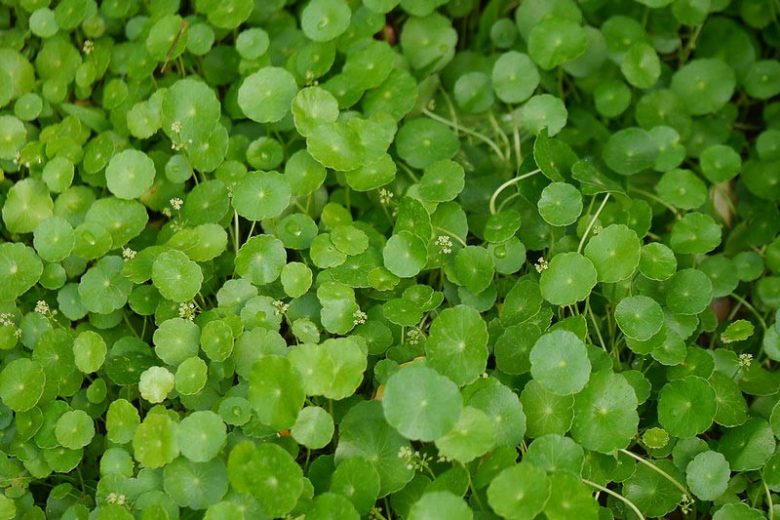
At a glance: Whorled pennywort care
Compiled reference information. Review the care notes and original sources below.
What temperature is listed for Whorled pennywort?
The compiled profile lists 18.0–30.0 °C for Whorled pennywort (Hydrocotyle verticillata). Check the original sources below for context and differing recommendations.
What tank size is listed for Whorled pennywort?
The profile lists a minimum tank volume of 5.0 US gallons (20.0 liters). Volume alone does not establish suitability; consider dimensions, group size and other inhabitants alongside the full care notes.
What pH is listed for Whorled pennywort?
The compiled profile lists a pH of 5.0–8.0. Review the cited care sources alongside the other water parameters in this profile.
Natural habitat
Whorled Pennywort typically grows along streams and in shallow waters or marshes. It prefers low, muddy ground and can thrive in a variety of freshwater environments.
Where they are found
This species is native to regions of North and South America, typically found in subtropical climates where it enjoys warm temperatures and moderate light levels.
Aquarium care
To maintain a healthy environment for Hydrocotyle verticillata, it is important to keep the tank water clean and well-aerated. Regular water changes are recommended. The plant benefits from high humidity and should be kept in a moist environment, whether fully or partially submerged. Supplementing with a balanced liquid fertilizer will encourage vigorous growth and vibrant foliage.
Feeding
This plant benefits from a nutrient-rich substrate and may receive additional benefits from liquid fertilizers. Ensure that water parameters remain stable for healthy growth.
Compatibility
This plant is generally compatible with a wide range of fish and other aquatic plants. Its peaceful nature allows it to coexist with many community tank species. However, care should be taken to monitor the growth, as it can spread quickly and potentially inhibit other plants if not properly managed.
Breeding
This plant propagates easily through vegetative means, where cuttings can be replanted to grow new specimens. The cuttings should be placed in a suitable substrate and require proper lighting to thrive.
Sources
Compiled from multiple independent care sheets — not copied from a single site.