Catalog / invertebrates / Yabby
invertebrate · Parastacidae
Yabby
Cherax destructor
Wild range: South Australia, Victoria, New South Wales, Queensland, Northern Territory (Australia)
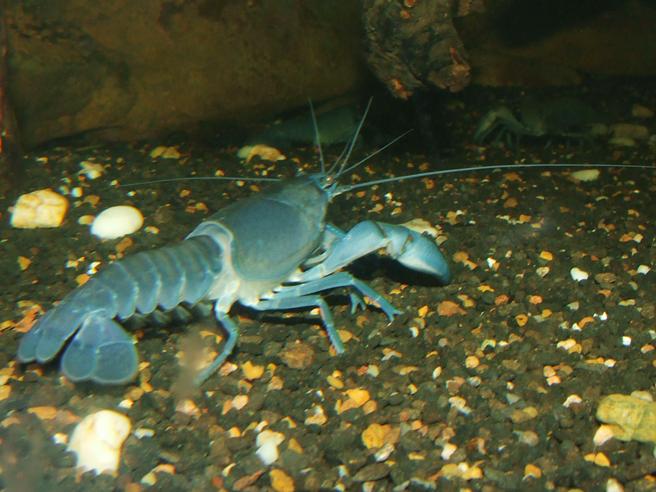
At a glance: Yabby care
Compiled reference information. Review the care notes and original sources below.
What temperature is listed for Yabby?
The compiled profile lists 8.0–25.0 °C for Yabby (Cherax destructor). Check the original sources below for context and differing recommendations.
What tank size is listed for Yabby?
The profile lists a minimum tank volume of 26.0 US gallons (100.0 liters). Volume alone does not establish suitability; consider dimensions, group size and other inhabitants alongside the full care notes.
What pH is listed for Yabby?
The compiled profile lists a pH of 6.5–8.0. Review the cited care sources alongside the other water parameters in this profile.
Natural habitat
The Freshwater Yabby, native to several Australian states, thrives in freshwater environments characterized by natural water bodies such as rivers and streams. They require well-aerated water that is kept clean due to their scavenging nature which can lead to increased waste accumulation in their habitats.
Where they are found
The species is native to eastern Australia, predominantly found in the Murray-Darling system, and has been introduced to coastal areas like the Northern Territory and parts of Western Australia.
Aquarium care
Yabbies require well-aerated and filtered water. Providing hiding places, such as rocks or PVC pipes, is essential as they can be territorial. It's advisable to avoid keeping more than one in smaller tanks to prevent stress and aggression.
Feeding
Freshwater Yabbies are omnivorous scavengers and require a balanced diet that includes sinking protein pellets and vegetables. They may also consume live plants and should be monitored to prevent overconsumption of tank foliage.
Compatibility
While yabbies can be kept with active fish, they are not suitable for tank setups with fragile aquatic plants and may pose a threat to smaller fish. Caution is advised when introducing them to community tanks.
Breeding
Breeding occurs in freshwater. After fertilization, females carry the eggs under their tails until they hatch. Females should be provided with adequate shelter to protect both themselves and their young.
Sources
Compiled from multiple independent care sheets — not copied from a single site.