fish · ExampleFamily
Betta patoti
Betta patoti
Wild range: Southeast Asia (Asia)
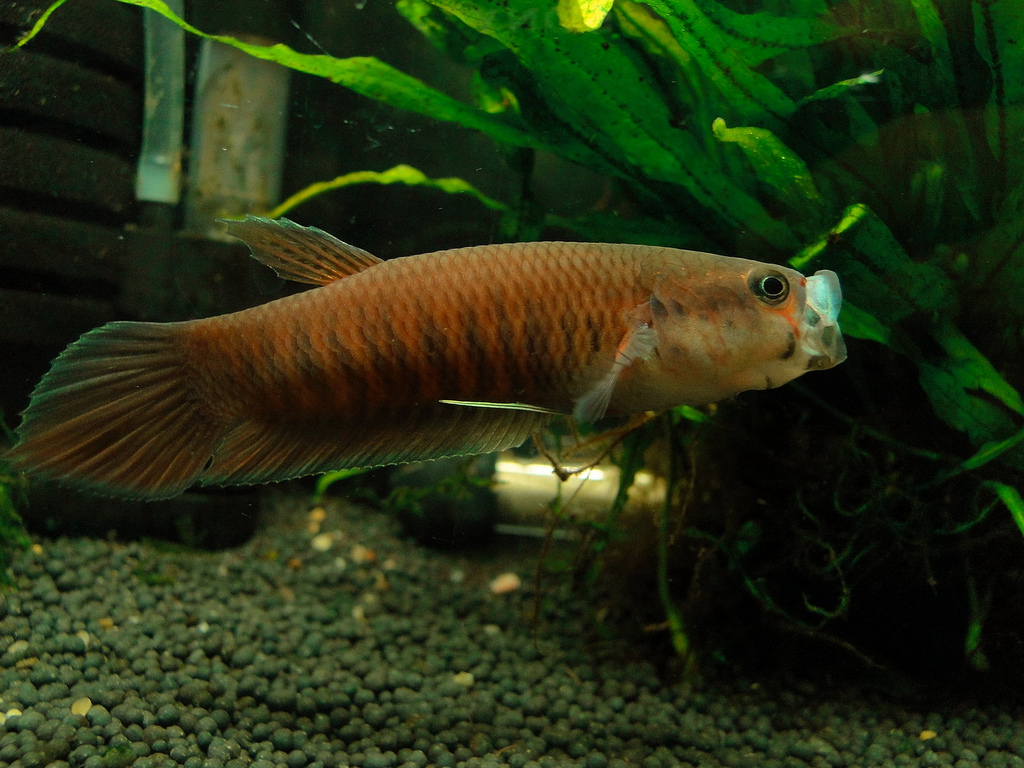
At a glance: Betta patoti care
Compiled reference information. Review the care notes and original sources below.
What temperature is listed for Betta patoti?
The compiled profile lists 23.0–30.0 °C for Betta patoti (Betta patoti). Check the original sources below for context and differing recommendations.
What tank size is listed for Betta patoti?
The profile lists a minimum tank volume of 10.0 US gallons (38.0 liters). Volume alone does not establish suitability; consider dimensions, group size and other inhabitants alongside the full care notes.
What pH is listed for Betta patoti?
The compiled profile lists a pH of 5.5–8.0. Review the cited care sources alongside the other water parameters in this profile.
Natural habitat
Example Fish inhabit the slow-moving rivers of Southeast Asia, often found in areas with dense vegetation and submerged structures. They prefer slightly warm waters where they can find ample food and shelter.
Where they are found
The natural range of Betta patoti is limited to certain regions in Indonesia, particularly near Balikpapan in Borneo, where environments are largely undisturbed and rich in aquatic plants.
Aquarium care
To care for Betta fish, maintain a tank with a minimum size of 10 gallons. Use a gentle filter to manage water quality without creating strong currents. Regularly change 30% of the water bi-weekly to keep the environment healthy.
Feeding
Example Fish are not picky eaters; they readily accept a variety of foods including flakes, pellets, and live or frozen foods. A balanced diet will ensure their vibrant coloration and overall health.
Compatibility
Betta fish can live with peaceful species in a community tank, such as small tetras and shrimp, as long as the tank is spacious with plenty of hiding spots. Avoid mixing them with other bettas or aggressive fish.
Breeding
Breeding is typically initiated by females displaying bright colors and engaging in a courtship ritual. The male will mouthbrood the fertilized eggs for about 14 days, with care needed to ensure the fry are protected from potential threats in the community tank.
Sources
Compiled from multiple independent care sheets — not copied from a single site.