Catalog / fish / Peaceful betta
fish · Osphronemidae
Peaceful betta
Betta imbellis
Wild range: Southeast Asia (Asia)
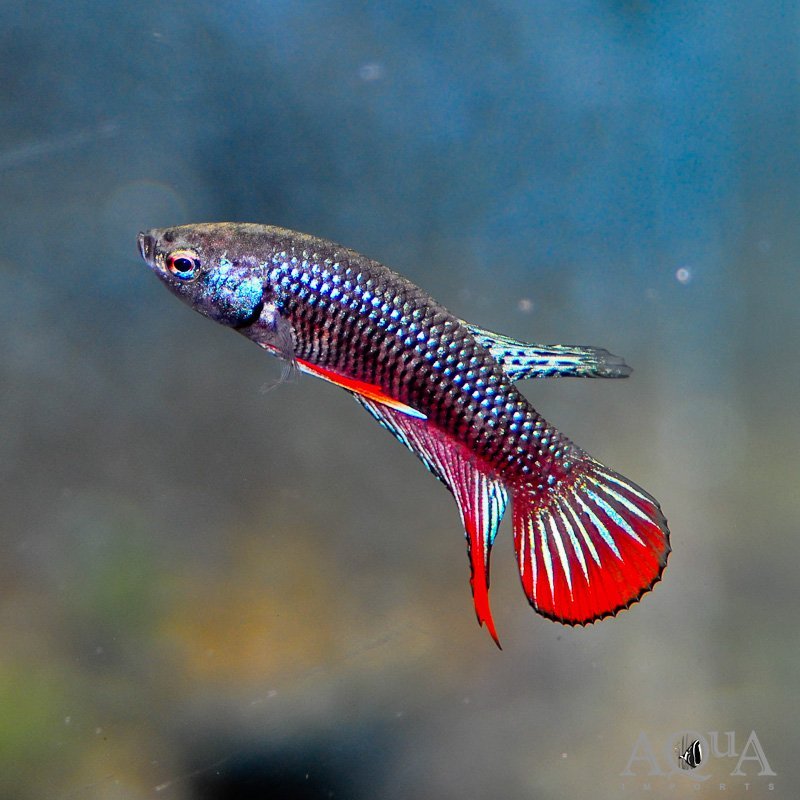
At a glance: Peaceful betta care
Compiled reference information. Review the care notes and original sources below.
What temperature is listed for Peaceful betta?
The compiled profile lists 24.0–30.0 °C for Peaceful betta (Betta imbellis). Check the original sources below for context and differing recommendations.
What tank size is listed for Peaceful betta?
The profile lists a minimum tank volume of 5.3 US gallons (20.0 liters). Volume alone does not establish suitability; consider dimensions, group size and other inhabitants alongside the full care notes.
What pH is listed for Peaceful betta?
The compiled profile lists a pH of 6.0–8.0. Review the cited care sources alongside the other water parameters in this profile.
Natural habitat
Betta imbellis is commonly found in the gentle waters of Southeast Asia, particularly in Thailand and its surrounding countries. They thrive in slow-moving streams, rice paddies, and shallow swamps, often in densely vegetated areas that provide ample cover and food sources.
Where they are found
This species thrives in natural environments that are rich in plant life, offering shelter and foraging opportunities. They are commonly found in areas with calm waters that allow for their peaceful and sociable behavior.
Aquarium care
In aquariums, the Peaceful Betta should be kept in a well-planted tank with calm water and plenty of hiding spots. They prefer a slightly acidic to neutral pH and should be kept in a quiet environment to reduce stress.
Feeding
Betta imbellis is an omnivore and thrives on a varied diet that includes high-quality flake food, pellets, live or frozen foods such as brine shrimp and bloodworms. It is advisable to feed small amounts 1-2 times daily to prevent overfeeding.
Compatibility
Peaceful Betta are generally compatible with other non-aggressive fish but should be avoided in tanks with territorial species or other male Bettas to minimize fighting.
Breeding
This species is a bubble nest builder, with males taking the lead in nest construction and fry care. To encourage breeding, provide a separate breeding tank with a temperature of 26-28 °C. Floating plants are helpful for building the nest. After breeding, the female should be removed, as the male will guard the eggs and fry.
Sources
Compiled from multiple independent care sheets — not copied from a single site.