Catalog / fish / Johannii cichlid
fish · Cichlidae
Johannii cichlid
Melanochromis johannii
Wild range: Lake Malawi (Africa)
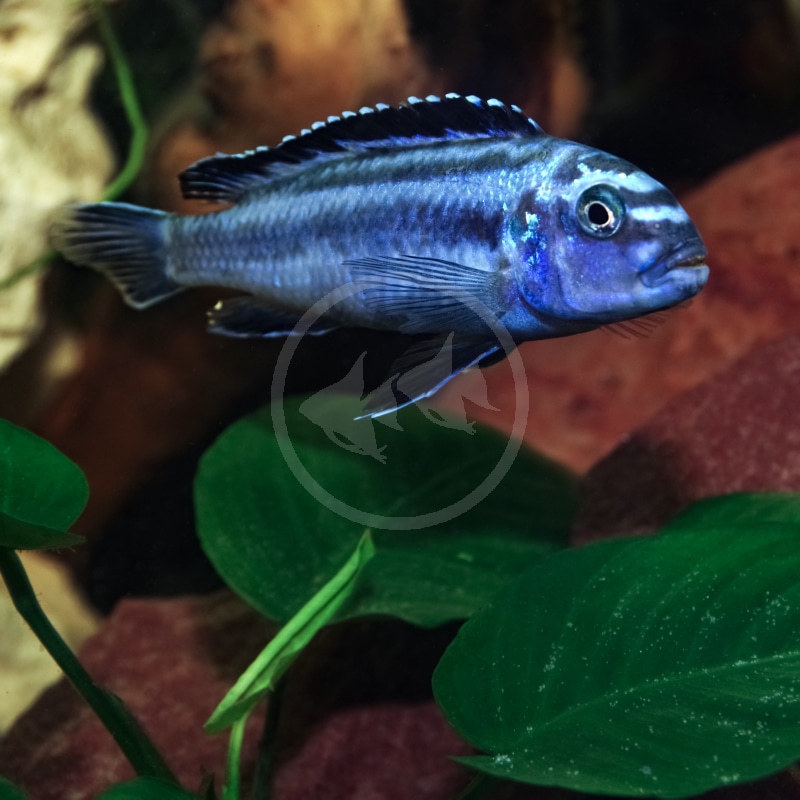
At a glance: Johannii cichlid care
Compiled reference information. Review the care notes and original sources below.
What temperature is listed for Johannii cichlid?
The compiled profile lists 23.0–29.0 °C for Johannii cichlid (Melanochromis johannii). Check the original sources below for context and differing recommendations.
What tank size is listed for Johannii cichlid?
The profile lists a minimum tank volume of 30.0 US gallons (113.6 liters). Volume alone does not establish suitability; consider dimensions, group size and other inhabitants alongside the full care notes.
What pH is listed for Johannii cichlid?
The compiled profile lists a pH of 7.0–8.5. Review the cited care sources alongside the other water parameters in this profile.
Natural habitat
Melanochromis johannii is commonly found in the rocky shore regions of Lake Malawi, where it prefers areas with crevices and caves, providing ample hiding spots and breeding sites. This species thrives in well-oxygenated waters with plenty of shelter from both natural formations and aquarium decor.
Where they are found
M. johanni inhabits the central and southern parts of Lake Malawi, often residing in rocky regions that provide essential shelter and breeding grounds.
Aquarium care
To maintain a healthy environment for the Bluegray Mbuna, it is important to keep the water temperature between 26-28°C with a pH well above 7.5. Regular water changes are essential to keep ammonia and nitrate levels low. A spacious aquarium with ample hiding spots is recommended to accommodate group living and reduce aggression.
Feeding
This cichlid requires a balanced diet that consists of high-quality flakes, pellets, and occasional live or frozen foods like brine shrimp and daphnia. It is crucial to ensure that food reaches all tank inhabitants to prevent any aggressive competition during feeding times.
Compatibility
Due to their aggressive nature, Bluegray Mbunas should be kept in groups of at least 10 to minimize aggression. They are not suitable for peaceful community tanks but can coexist with other robust African cichlids.
Breeding
M. johanni is a mouthbrooder, where females incubate the fertilized eggs in their mouths until they are free-swimming. It is recommended to have a separate breeding tank equipped with hiding spots to stimulate spawning behavior.
Sources
Compiled from multiple independent care sheets — not copied from a single site.