Catalog / fish / Upside-down catfish
fish · Mochokidae
Upside-down catfish
Synodontis nigriventris
Wild range: Congo Basin (Africa)
At a glance: Upside-down catfish care
Compiled reference information. Review the care notes and original sources below.
What temperature is listed for Upside-down catfish?
The compiled profile lists 23.0–27.0 °C for Upside-down catfish (Synodontis nigriventris). Check the original sources below for context and differing recommendations.
What tank size is listed for Upside-down catfish?
The profile lists a minimum tank volume of 30.0 US gallons (113.6 liters). Volume alone does not establish suitability; consider dimensions, group size and other inhabitants alongside the full care notes.
What pH is listed for Upside-down catfish?
The compiled profile lists a pH of 6.5–7.8. Review the cited care sources alongside the other water parameters in this profile.
Natural habitat
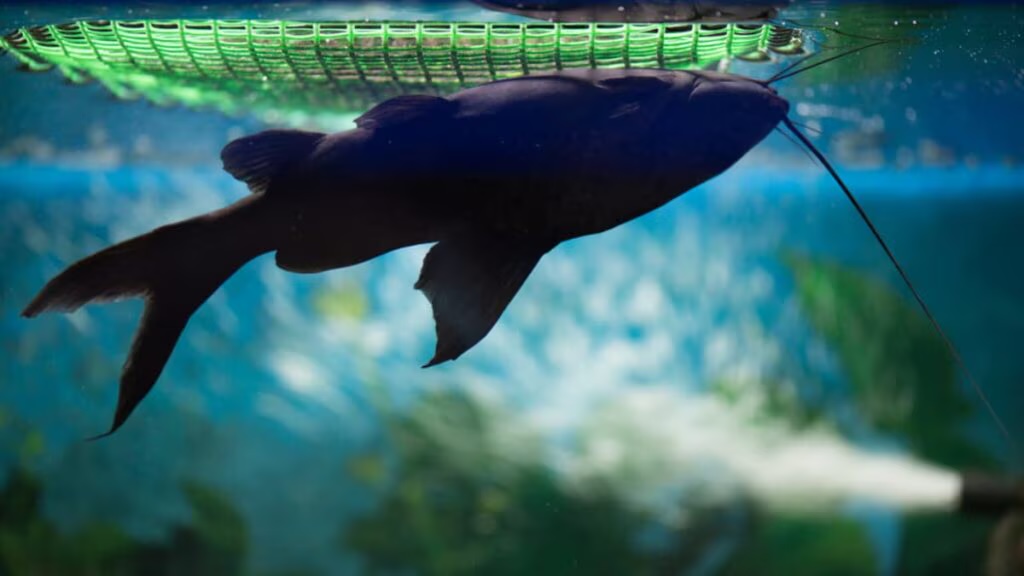
The upside-down catfish lives in slow-moving rivers and flooded forest areas where vegetation provides shaded surfaces. They swim inverted to feed on biofilm and insects from the underside of leaves and wood, which also provides cover from predators.
Where they are found
This species is native to the Congo Basin, where it thrives in a natural environment with plenty of decaying plant matter and detritus.
Aquarium care
To keep an upside-down catfish healthy, maintain stable water parameters with gentle filtration, and include plenty of hiding spots like driftwood and plants. A well-planted tank helps reduce stress and mimics their natural habitat. Regular water changes are necessary to avoid ammonia build-up.
Feeding
Upside-down catfish are omnivorous and require a varied diet. They thrive on high-quality sinking pellets supplemented with occasional frozen or blanched foods. Feeding them at dusk can trigger natural feeding behavior, making them more active during this time.
Compatibility
This species is generally peaceful and does well with other calm community fish. Avoid aggressive species or fin nippers that could stress them out. Suitable tankmates include tetras, rasboras, and peaceful bottom dwellers like corydoras.
Breeding
Breeding in captivity is challenging and seldom occurs. If successful, breeding involves creating a separate tank with ideal conditions, including stable water temperature and the presence of fine plants for egg laying.
Sources
Compiled from multiple independent care sheets — not copied from a single site.