Catalog / plants / Water wisteria
plant · Acanthaceae
Water wisteria
Hygrophila difformis
Wild range: Southeast Asia (Asia)
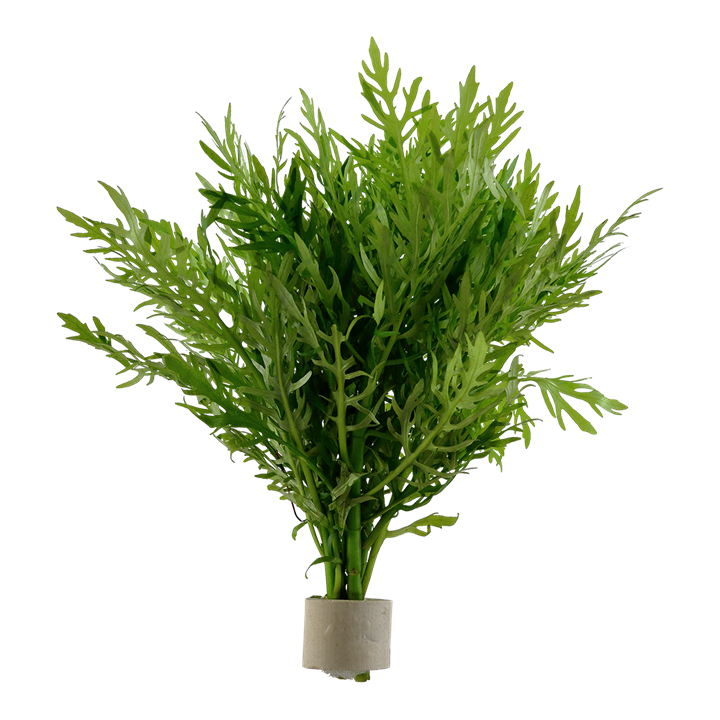
At a glance: Water wisteria care
Compiled reference information. Review the care notes and original sources below.
What temperature is listed for Water wisteria?
The compiled profile lists 18.0–30.0 °C for Water wisteria (Hygrophila difformis). Check the original sources below for context and differing recommendations.
What tank size is listed for Water wisteria?
The profile lists a minimum tank volume of 10.0 US gallons (40.0 liters). Volume alone does not establish suitability; consider dimensions, group size and other inhabitants alongside the full care notes.
What pH is listed for Water wisteria?
The compiled profile lists a pH of 6.0–8.0. Review the cited care sources alongside the other water parameters in this profile.
Natural habitat
Water Wisteria, scientifically known as Hygrophila difformis, thrives in freshwater rivers, wetlands, and ponds across Southeast Asia. The species enjoys a range of conditions, making it a popular choice in aquascaping due to its adaptability and fast growth.
Where they are found
This plant is native to countries including Bangladesh, Bhutan, India, and Nepal, where it grows in wetlands and similar environments.
Aquarium care
To care for Water Wisteria, ensure the tank has adequate lighting, as it helps promote healthy growth and prevents leaf melting. Regular nutrient supplementation through fertilizers is also recommended to maintain vibrant foliage.
Feeding
Water Wisteria is a nitrate sponge, absorbing excess nutrients in the water, which helps maintain water clarity and health. Regular feeding with aquatic plant fertilizers can enhance growth rates.
Compatibility
This plant is community safe and works well with a range of fish species. Its bushy growth can provide shelter for fry and small fish, making it a suitable option in community tanks.
Breeding
Can be propagated by cuttings. Simply trim a healthy stem and plant it in suitable substrate as it roots easily.
Sources
Compiled from multiple independent care sheets — not copied from a single site.