Catalog / fish / White-edged betta
fish · Osphronemidae
White-edged betta
Betta albimarginata
Wild range: Southeast Asia (Asia)
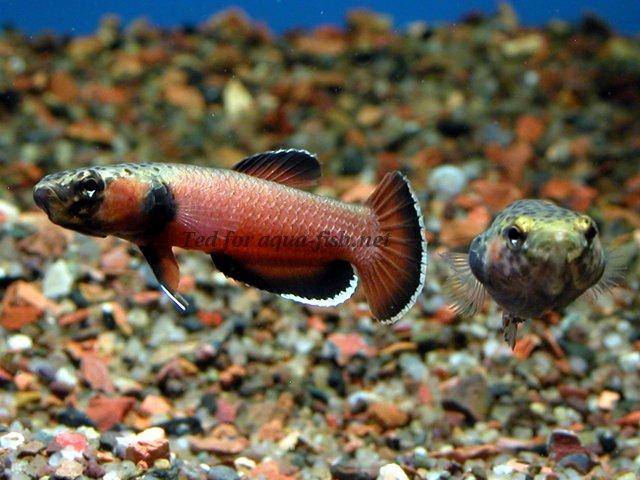
At a glance: White-edged betta care
Compiled reference information. Review the care notes and original sources below.
What temperature is listed for White-edged betta?
The compiled profile lists 23.0–28.0 °C for White-edged betta (Betta albimarginata). Check the original sources below for context and differing recommendations.
What tank size is listed for White-edged betta?
The profile lists a minimum tank volume of 5.0 US gallons (19.0 liters). Volume alone does not establish suitability; consider dimensions, group size and other inhabitants alongside the full care notes.
What pH is listed for White-edged betta?
The compiled profile lists a pH of 4.0–8.0. Review the cited care sources alongside the other water parameters in this profile.
Natural habitat
Betta albimarginata inhabits shallow forest streams in the Sebuku River basin of East Kalimantan, Borneo, characterized by soft, acidic waters with a fine silty substrate and leaf litter from the surrounding forest.
Where they are found
This species is endemic to eastern Borneo, where forest streams and peat swamps are vital to its habitat. These natural environments are threatened by human activities such as drainage, mining, and agricultural conversion.
Aquarium care
Keep the aquarium water clean with frequent water changes and ensure the tank is heated between 24-27° C. Include plants and decorations for hiding spots to reduce stress. Regular water testing is advisable to maintain suitable water parameters.
Feeding
Feed Betta albimarginata a varied diet of frozen and live foods, including small worms, insect larvae, and zooplankton, supplemented with prepared foods high in insect protein to mimic their natural feeding habits.
Compatibility
Betta fish can be territorial and aggressive, especially males. They should not be housed with other males or fin-nipping species. Peaceful tank mates like certain tetras can sometimes be suitable, yet caution is advised.
Breeding
Breeding occurs when males attract females through courtship displays. It is mouthbrooding, with males collecting and caring for the eggs until they are ready to be released.
Sources
Compiled from multiple independent care sheets — not copied from a single site.