Catalog / fish / Brunei beauty
fish · Osphronemidae
Brunei beauty
Betta macrostoma
Wild range: Southeast Asia (Asia)
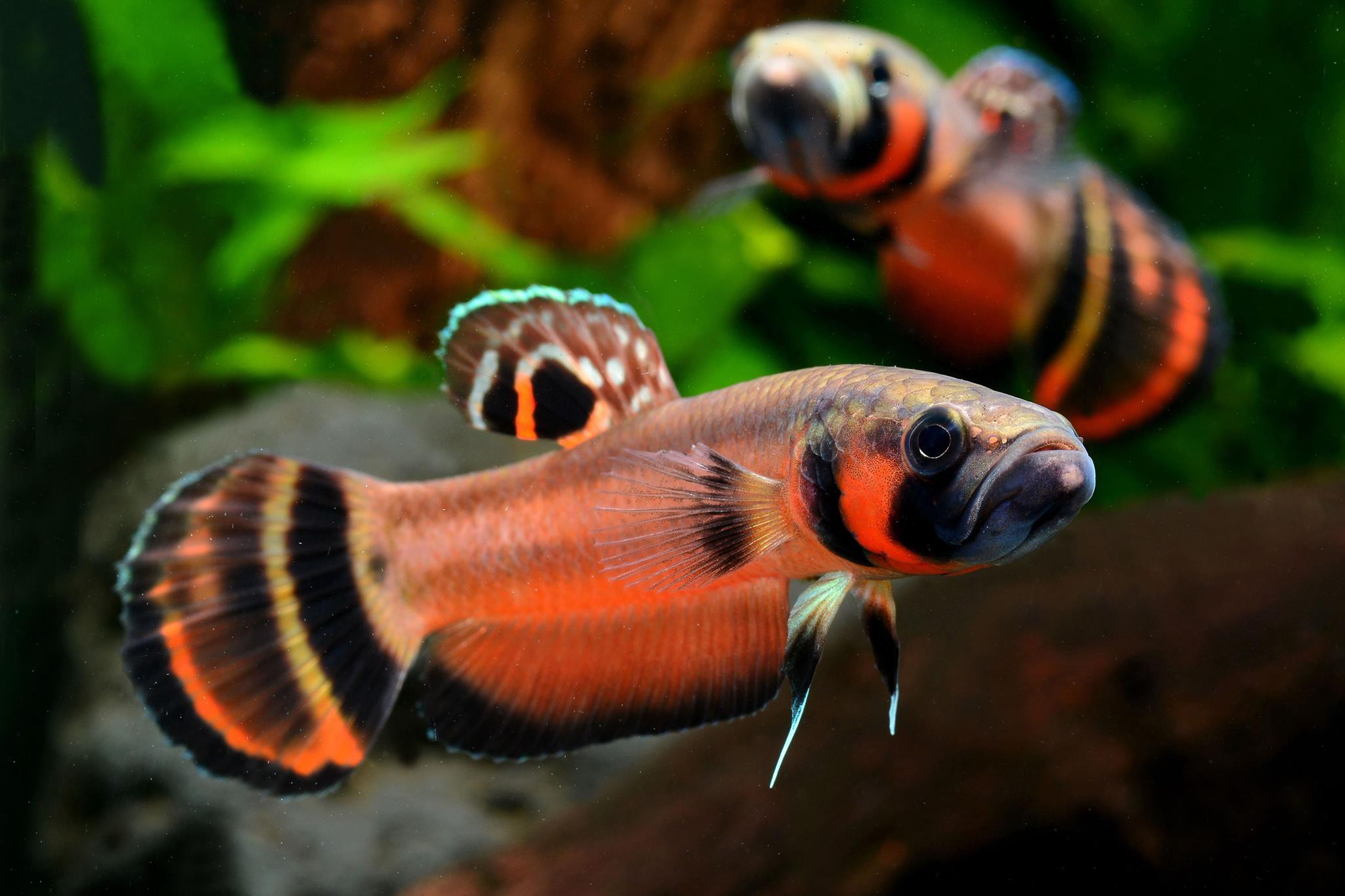
At a glance: Brunei beauty care
Compiled reference information. Review the care notes and original sources below.
What temperature is listed for Brunei beauty?
The compiled profile lists 20.0–30.0 °C for Brunei beauty (Betta macrostoma). Check the original sources below for context and differing recommendations.
What tank size is listed for Brunei beauty?
The profile lists a minimum tank volume of 4.0 US gallons (15.0 liters). Volume alone does not establish suitability; consider dimensions, group size and other inhabitants alongside the full care notes.
What pH is listed for Brunei beauty?
The compiled profile lists a pH of 4.0–7.0. Review the cited care sources alongside the other water parameters in this profile.
Natural habitat
Betta macrostoma, commonly known as the Brunei Beauty, mainly inhabits heavily vegetated swampy areas characterized by black water conditions found in Malaysia. This environment is rich in organic materials, providing a complex habitat for this species.
Where they are found
The natural habitat includes lowland freshwater rivers and streams where the water is often soft and slightly acidic, creating essential conditions for this betta species.
Aquarium care
This species requires a secure aquascape with plenty of cover, as it can be territorial. Given its aggressive temperament, it is best kept alone or in pairs/trios in a species-only environment. Regular water changes and maintaining stable water parameters are crucial for its well-being.
Feeding
Feed Brunei Beauty a diet primarily composed of high-quality pellets formulated for bettas, supplemented with frozen and live foods such as brine shrimp and bloodworms to ensure a balanced diet.
Compatibility
This fish is best kept solitary or in very small groups due to its aggressive nature. It is not suited for community tanks as it may display territorial behavior against other species.
Breeding
Breeding this species involves creating a proper environment where males can establish territory. They exhibit bubblenest breeding behaviors and require soft water conditions for successful spawning.
Sources
Compiled from multiple independent care sheets — not copied from a single site.