Catalog / fish / Giant gourami
fish · Osphronemidae
Giant gourami
Osphronemus goramy
Wild range: Southeast Asia (Asia)
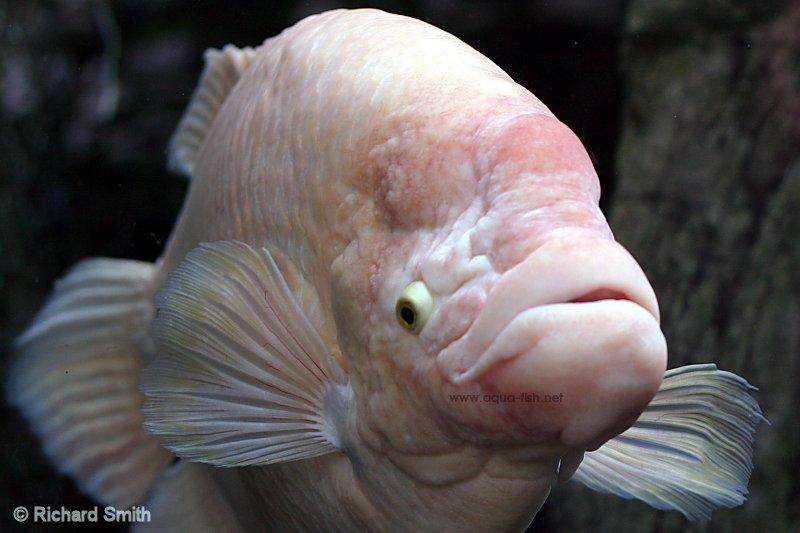
At a glance: Giant gourami care
Compiled reference information. Review the care notes and original sources below.
What temperature is listed for Giant gourami?
The compiled profile lists 20.0–30.0 °C for Giant gourami (Osphronemus goramy). Check the original sources below for context and differing recommendations.
What tank size is listed for Giant gourami?
The profile lists a minimum tank volume of 30.0 US gallons (113.0 liters). Volume alone does not establish suitability; consider dimensions, group size and other inhabitants alongside the full care notes.
What pH is listed for Giant gourami?
The compiled profile lists a pH of 6.5–8.0. Review the cited care sources alongside the other water parameters in this profile.
Natural habitat
Gouramis inhabit shallow, stagnate bodies of water which includes swamps, marshes, ponds, and slow-moving rivers. These waters are often rich in vegetation and provide cover for spawning and hiding from predators.
Where they are found
Distributed across Southeast Asia, this species has been introduced to various other countries, enhancing its range beyond its native habitats.
Aquarium care
Giant Gouramis require spacious aquariums of at least 200 gallons due to their potential size and active temperament. A gentle flow is preferred, and while they can tolerate a range of pH levels, maintaining a stable environment is critical for their health. Regular water changes and filtration are recommended.
Feeding
Gouramis are omnivorous and thrive on a varied diet consisting of quality flakes, granules, and occasional live or frozen foods. It's best to feed small amounts that they can eat within 2 minutes, 1-2 times daily, rotating food types to ensure nutritional balance.
Compatibility
Ideal tank mates for Giant Gouramis are other larger fish species that can withstand potential bullying, as they may exhibit aggressive behavior towards smaller or similarly sized fish. Ensuring adequate space and the right community composition is vital for peaceful cohabitation.
Breeding
Breeding can commence as early as 6 months when both male and female are ready. Providing a spacious tank with ample floating vegetation is key. The male creates a bubble nest for the eggs, aggressively guarding it, while the female should be moved post-spawning. Fry can be nourished with baby brine shrimp initially.
Sources
Compiled from multiple independent care sheets — not copied from a single site.