Catalog / fish / Glowlight danio
fish · Cyprinidae
Glowlight danio
Danio choprae
Wild range: Southeast Asia (Asia)
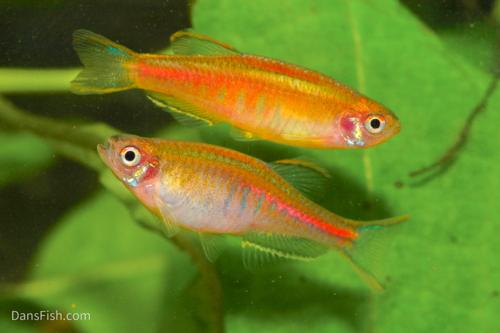
At a glance: Glowlight danio care
Compiled reference information. Review the care notes and original sources below.
What temperature is listed for Glowlight danio?
The compiled profile lists 16.0–28.0 °C for Glowlight danio (Danio choprae). Check the original sources below for context and differing recommendations.
What tank size is listed for Glowlight danio?
The profile lists a minimum tank volume of 10.0 US gallons (37.9 liters). Volume alone does not establish suitability; consider dimensions, group size and other inhabitants alongside the full care notes.
What pH is listed for Glowlight danio?
The compiled profile lists a pH of 6.0–8.0. Review the cited care sources alongside the other water parameters in this profile.
Natural habitat
Danio choprae is primarily found in clear waters of rivers and small streams that are about 100 feet wide and 12-20 inches deep. The substrate is typically muddy with little aquatic vegetation.
Where they are found
The natural habitat of Glowlight Danios features dense aquatic vegetation and stable environmental conditions, critical for their survival and reproduction.
Aquarium care
In aquarium setups, Glowlight Danios benefit from a well-planted environment that includes floating plants and open swimming areas. Regular maintenance, including consistent water changes of 20-30%, helps maintain their health and vibrant colors.
Feeding
Glowlight Danios are diurnal omnivores with a broad diet that can include flakes, pellets, and freeze-dried foods. It's essential to feed them in the morning and provide small portions to mimic their natural feeding behavior, preventing overfeeding issues.
Compatibility
These fish are peaceful and sociable, making them an excellent addition to community tanks. Avoid aggressive tankmates that might stress them, and ensure that they are kept in groups of at least six individuals to promote natural behaviors.
Breeding
Glowlight Danios are egg scatterers; during spawning, they will scatter their eggs among fine plant leaves or spawning mops. To prevent adults from eating the eggs, it is recommended to remove them after spawning. The eggs typically hatch within 24–48 hours, and fry initially require microscopic foods until they are large enough to consume baby brine shrimp.
Sources
Compiled from multiple independent care sheets — not copied from a single site.