fish · Cyprinidae
Cherry barb
Puntius titteya
Wild range: South Asia (Asia)
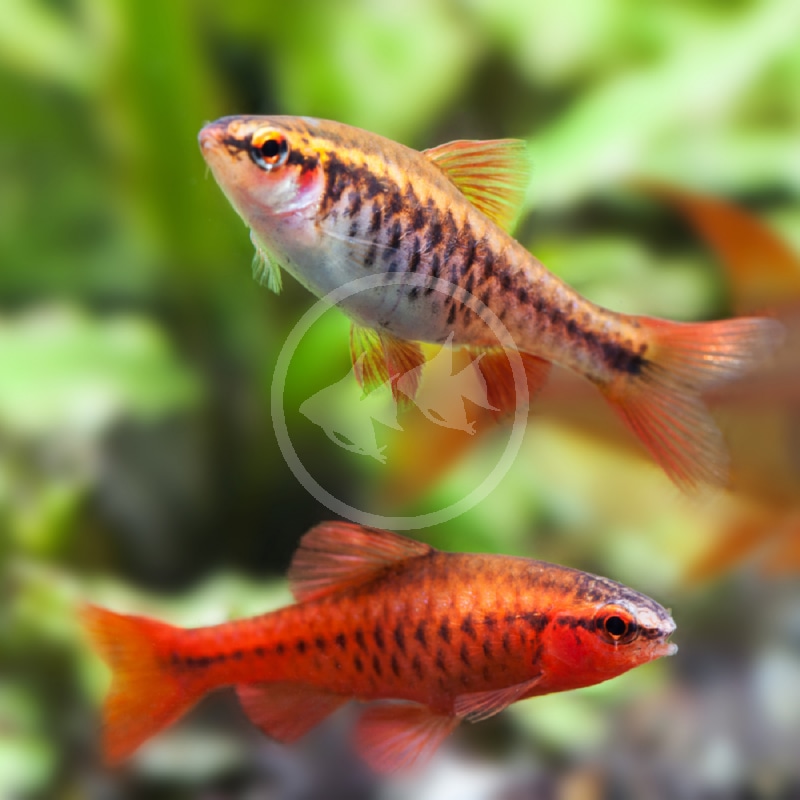
At a glance: Cherry barb care
Compiled reference information. Review the care notes and original sources below.
What temperature is listed for Cherry barb?
The compiled profile lists 22.0–28.0 °C for Cherry barb (Puntius titteya). Check the original sources below for context and differing recommendations.
What tank size is listed for Cherry barb?
The profile lists a minimum tank volume of 10.0 US gallons (38.0 liters). Volume alone does not establish suitability; consider dimensions, group size and other inhabitants alongside the full care notes.
What pH is listed for Cherry barb?
The compiled profile lists a pH of 6.0–8.0. Review the cited care sources alongside the other water parameters in this profile.
Natural habitat
Cherry Barbs thrive in slow-moving, shaded streams and rivers in Sri Lanka, often surrounded by lush vegetation and leaf litter. These conditions provide them with a sense of security and mimic their natural habitat, which is essential for their health and well-being.
Where they are found
This species is primarily distributed in Sri Lanka, showcasing adaptability to varying water conditions from soft to hard water with a pH range of 6 to 8.
Aquarium care
Cherry Barbs prefer a well-maintained aquarium with clean water and plenty of plants. They are active swimmers and do well in groups of six or more to exhibit natural behaviors and vibrant colors.
Feeding
Cherry Barbs are not picky eaters; they thrive on a varied diet that includes high-quality flake food, micro-pellets, and live or frozen foods such as brine shrimp, bloodworms, and daphnia. This variety helps maintain their vibrant coloration and health.
Compatibility
They are peaceful and can coexist with other small, non-aggressive fish and invertebrates. Caution should be taken when introducing them to smaller shrimp.
Breeding
Breeding cherry barbs is relatively simple. After conditioning with quality foods, a pair should be placed in a spawning tank with spawning mops or dense vegetation. They will lay eggs that should be promptly removed to avoid the parents eating them.
Sources
Compiled from multiple independent care sheets — not copied from a single site.