fish · Osphronemidae
Dusky betta
Betta fusca
Wild range: Southeast Asia (Asia)
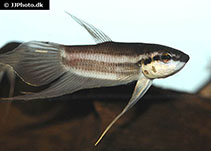
At a glance: Dusky betta care
Compiled reference information. Review the care notes and original sources below.
What temperature is listed for Dusky betta?
The compiled profile lists 22.0–27.2 °C for Dusky betta (Betta fusca). Check the original sources below for context and differing recommendations.
What tank size is listed for Dusky betta?
The profile lists a minimum tank volume of 3.0 US gallons (11.4 liters). Volume alone does not establish suitability; consider dimensions, group size and other inhabitants alongside the full care notes.
What pH is listed for Dusky betta?
The compiled profile lists a pH of 6.0–8.0. Review the cited care sources alongside the other water parameters in this profile.
Natural habitat
Betta splendens, commonly known as the Betta Fish, is native to the shallow waters of Southeast Asia, particularly in Thailand, Cambodia, and Vietnam. They are often found in rice paddies, swampy areas, and floodplains where dense vegetation provides ample hiding spots and territories. The natural habitats are characterized by still or slow-moving waters filled with plants and organic debris.
Where they are found
Originally from Southeast Asia, Betta splendens can be found in several natural water bodies, including the Mekong River and its tributaries. This species has adapted remarkably well to various forms of aquatic environments due to its unique ability to breathe atmospheric oxygen.
Aquarium care
To maintain a healthy aquarium for Betta Fish, it is crucial to keep the tank environment stable. Regular water changes (15-25% weekly) are important to ensure water quality. Testing for ammonia, nitrite, nitrate, and pH levels helps maintain the right conditions. Live plants should be included for enrichment and to mimic their natural habitat, and filtration should be gentle to prevent too much current, which can stress the Betta.
Feeding
Feed Bettas high-quality floating pellets or flakes and occasional frozen foods, like brine shrimp, 2-3 times per week. Be careful not to overfeed, as this can lead to health issues. Their natural diet consists of small insects and crustaceans.
Compatibility
While Betta males are known for their aggressiveness, especially towards other males, they can coexist with certain community fish provided they are carefully selected. It's essential to monitor interactions, and having plenty of plants and decorations can help create territories.
Breeding
Breeding Betta Fish requires a separate breeding tank with subdued lighting and appropriate water conditions. A male betta will build a bubble nest and court a female. After spawning, the male should be removed to prevent aggression, while the female can remain in the tank to recuperate.
Sources
Compiled from multiple independent care sheets — not copied from a single site.