Catalog / fish / Silver-tip tetra
fish · Characidae
Silver-tip tetra
Hasemania nana
Wild range: Brazil (South America)
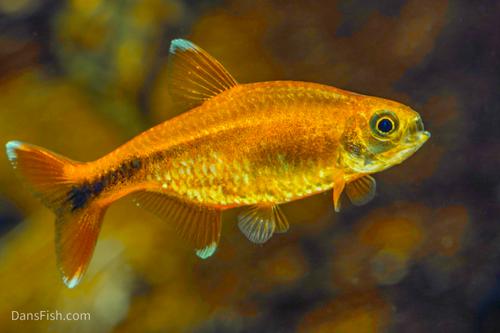
At a glance: Silver-tip tetra care
Compiled reference information. Review the care notes and original sources below.
What temperature is listed for Silver-tip tetra?
The compiled profile lists 22.0–28.0 °C for Silver-tip tetra (Hasemania nana). Check the original sources below for context and differing recommendations.
What tank size is listed for Silver-tip tetra?
The profile lists a minimum tank volume of 10.0 US gallons (38.0 liters). Volume alone does not establish suitability; consider dimensions, group size and other inhabitants alongside the full care notes.
What pH is listed for Silver-tip tetra?
The compiled profile lists a pH of 5.5–8.2. Review the cited care sources alongside the other water parameters in this profile.
Natural habitat
The Silvertip Tetra is native to the São Francisco River and is usually found in small tributaries that have acidic blackwater conditions, typically showing little vegetation.
Where they are found
Silver Tip Tetras are mostly found in the slow-moving waters of the Amazon rivers and their tributaries, where they inhabit densely vegetated areas with ample cover provided by aquatic plants and driftwood.
Aquarium care
Silvertip Tetras require a well-maintained aquarium with stable water parameters. Regular water changes and the presence of plants can help replicate their natural environment, contributing to their overall health and vitality.
Feeding
They thrive on a varied diet that includes high-quality flake, pellet, and frozen foods, adapting easily to different dietary offerings.
Compatibility
Silvertip Tetras can be kept with larger tetras and some livebearers like Platys and Mollies. They may be aggressive toward smaller tetras and long-finned fish, so careful consideration should be made regarding tank mates.
Breeding
Breeding Hasemania nana in captivity is achievable under the right conditions. Providing a breeding tank with soft, slightly acidic water and fine-leaved plants encourages spawning. Eggs typically adhere to the plants, and once laid, they should be removed to prevent the parents from consuming them. Special care should be taken to ensure optimal water conditions for hatching fry.
Sources
Compiled from multiple independent care sheets — not copied from a single site.