Catalog / plants / Willow moss
plant · Fontinalaceae
Willow moss
Fontinalis antipyretica
Wild range: Northern Hemisphere (Europe, Asia, North America, Africa)
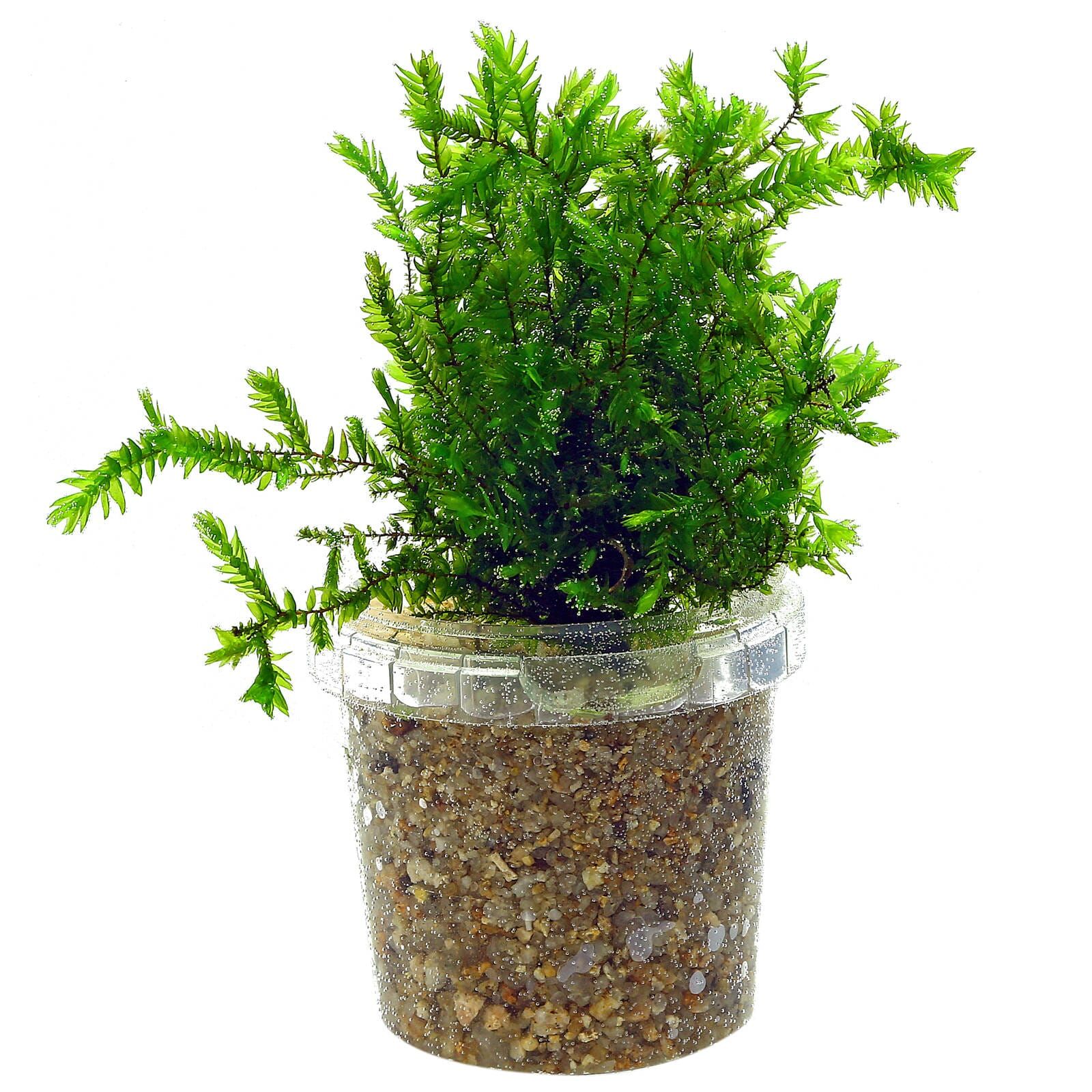
At a glance: Willow moss care
Compiled reference information. Review the care notes and original sources below.
What temperature is listed for Willow moss?
The compiled profile lists 10.0–28.0 °C for Willow moss (Fontinalis antipyretica). Check the original sources below for context and differing recommendations.
What tank size is listed for Willow moss?
The profile lists a minimum tank volume of 2.6 US gallons (10.0 liters). Volume alone does not establish suitability; consider dimensions, group size and other inhabitants alongside the full care notes.
What pH is listed for Willow moss?
The compiled profile lists a pH of 5.5–8.4. Review the cited care sources alongside the other water parameters in this profile.
Natural habitat
Willow moss thrives in clean, cool, well-oxygenated waters such as streams, rivers, ponds, and lakes. It prefers slightly acidic to neutral conditions and typically grows in shaded areas, creating dense underwater carpets that provide shelter for various aquatic species.
Where they are found
This moss is widespread across Europe, Asia, and parts of Africa, extending into North America where it is found in most cooler regions. It is highly adaptable to a range of freshwater habitats.
Aquarium care
This moss is easy to care for, requiring low light and minimal fertilization. While it can grow slowly, it does an excellent job of filtering water and providing habitat for small fish and shrimp.
Feeding
While there are no specific dietary needs for willow moss, it thrives in water enriched by fish waste or minimal additional nutrients. Low lighting will help prevent algae growth.
Compatibility
Willow Moss is safe for most community tanks and is ideal for setups with shrimp, tetras, and other small fish, providing essential shelter and foraging opportunities.
Breeding
Reproduction typically occurs vegetatively through stolons, allowing parts of the plant to spread easily. Sexual reproduction is less common but may occur during spring when conditions are favorable.
Sources
Compiled from multiple independent care sheets — not copied from a single site.