Catalog / fish / Betta balunga
fish · Osphronemidae
Betta balunga
Betta balunga
Wild range: Southeast Asia (Asia)
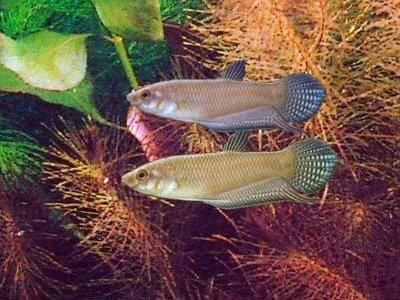
At a glance: Betta balunga care
Compiled reference information. Review the care notes and original sources below.
What temperature is listed for Betta balunga?
The compiled profile lists 22.0–27.0 °C for Betta balunga (Betta balunga). Check the original sources below for context and differing recommendations.
What tank size is listed for Betta balunga?
The profile lists a minimum tank volume of 10.0 US gallons (38.0 liters). Volume alone does not establish suitability; consider dimensions, group size and other inhabitants alongside the full care notes.
What pH is listed for Betta balunga?
The compiled profile lists a pH of 5.0–7.5. Review the cited care sources alongside the other water parameters in this profile.
Natural habitat
The Balunga Betta is a fish native to slow-moving waters in Southeast Asia, particularly in regions characterized by dense vegetation and warmth. This environment allows for plenty of shelters and places to hide, essential for a species that can show territorial behavior. It thrives in a well-maintained aquarium that mimics its natural habitat, with ample hiding spaces and calm waters.
Where they are found
The distribution of Betta balunga extends from the Balung River in Sabah, Malaysia, to various watersheds in East Kalimantan, Indonesia.
Aquarium care
Bettas require a spacious aquarium with low water flow to prevent stress. A gentle filter is recommended to maintain water quality, and live plants should be included for both aesthetic and functional purposes. The tank should be heated to maintain a temperature range of 23-26°C for optimal health. Frequent monitoring of water parameters is essential to ensure a stable environment.
Feeding
Balunga Bettas should be fed a diet consisting of small-sized food options due to their small mouths. Quality flake foods, fine granules, and occasional frozen or live treats such as daphnia and baby brine shrimp should comprise their daily diet. Ensure to remove uneaten food to maintain water quality, feeding them small portions once or twice daily.
Compatibility
While Bettas can be kept in community tanks, care should be taken to avoid aggressive tank mates. Peaceful species such as small tetras or rasboras can coexist well with them, but other male Bettas or aggressive fish should be avoided.
Breeding
Breeding requires a separate, well-covered tank where males can mouthbrood. The process involves a courtship display, with eggs laid in small batches, requiring careful management of conditions to avoid stress on the male during incubation.
Sources
Compiled from multiple independent care sheets — not copied from a single site.