Catalog / fish / Java fighting fish
fish · Osphronemidae
Java fighting fish
Betta picta
Wild range: Southeast Asia (Asia)
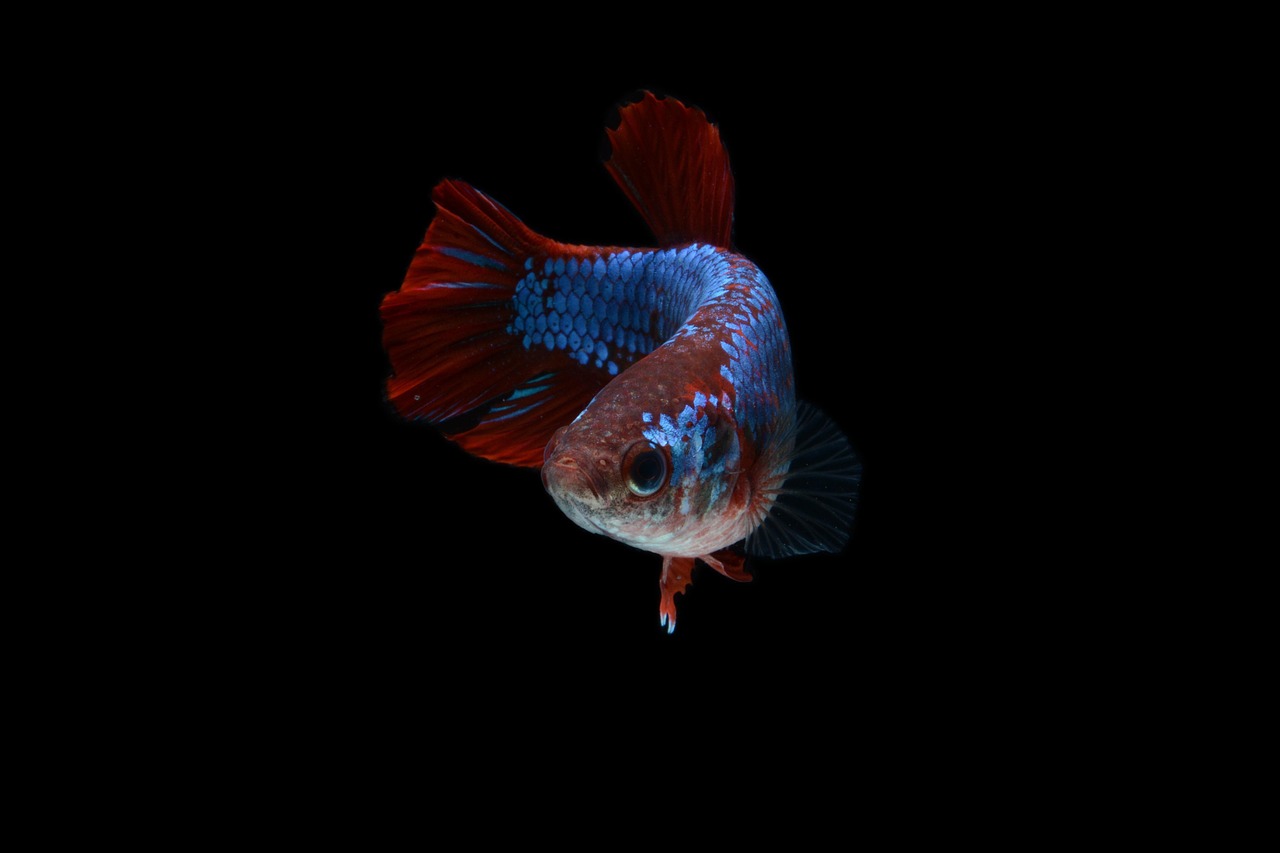
At a glance: Java fighting fish care
Compiled reference information. Review the care notes and original sources below.
What temperature is listed for Java fighting fish?
The compiled profile lists 24.0–30.0 °C for Java fighting fish (Betta picta). Check the original sources below for context and differing recommendations.
What tank size is listed for Java fighting fish?
The profile lists a minimum tank volume of 0.3 US gallons (1.0 liters). Volume alone does not establish suitability; consider dimensions, group size and other inhabitants alongside the full care notes.
What pH is listed for Java fighting fish?
The compiled profile lists a pH of 5.0–9.0. Review the cited care sources alongside the other water parameters in this profile.
Natural habitat
Siamese fighting fish (Betta splendens) inhabit shallow, still bodies of water, including rice paddies and areas subject to flooding during the rainy season. They are well adapted to such environments due to their labyrinth organ, which allows them to take in oxygen from the air.
Where they are found
The natural range includes areas primarily in Southeast Asia, notably in countries such as Country1 and Country2, where they inhabit both clear and slightly turbid waters.
Aquarium care
To maintain healthy Betta splendens, water quality is vital. They thrive in a water temperature of around 28°C, with stable pH (between 6.9 and 7.2) and very low levels of ammonia, nitrites, and nitrates. Regular water changes and a good filtration system are recommended. For those in small aquariums, frequent water changes help achieve necessary conditions for optimal health and reproduction.
Feeding
This species does well on a varied diet. Offer high-quality flakes, live or frozen food like brine shrimp and daphnia, as well as vegetable matter to ensure they receive all necessary nutrients.
Compatibility
Generally peaceful, this species is a community-friendly fish and can thrive with others of similar size and temperament. Avoid keeping with aggressive species or those that may see them as prey.
Breeding
Breeding Betta splendens involves setting up a mating tank that mimics their natural habitat. Males construct bubble nests for the eggs, which females will lay as part of their spawning behavior. It's advisable to use flat materials like bubble wrap for nesting and provide hiding places to reduce stress and aggression during spawning. Keeping the water warm (around 28°C) and maintaining a light-dark cycle that mimics natural conditions encourages successful breeding and raising of fry.
Sources
Compiled from multiple independent care sheets — not copied from a single site.