Catalog / fish / Wrestling halfbeak
fish
Wrestling halfbeak
Dermogenys pusilla
Wild range: Southeast Asia (Asia)
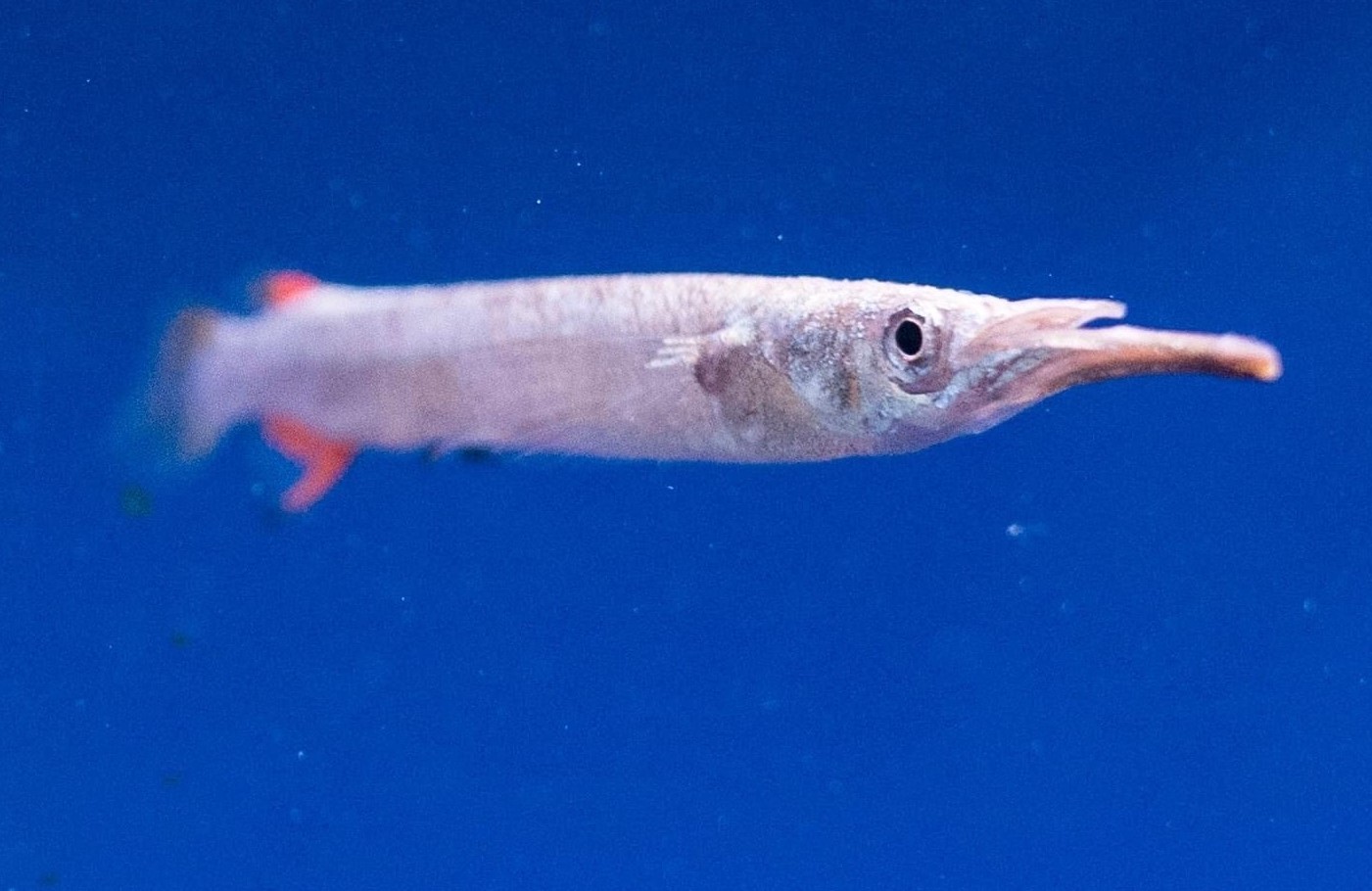
At a glance: Wrestling halfbeak care
Compiled reference information. Review the care notes and original sources below.
What temperature is listed for Wrestling halfbeak?
The compiled profile lists 22.0–28.0 °C for Wrestling halfbeak (Dermogenys pusilla). Check the original sources below for context and differing recommendations.
What tank size is listed for Wrestling halfbeak?
The profile lists a minimum tank volume of 15.0 US gallons (56.8 liters). Volume alone does not establish suitability; consider dimensions, group size and other inhabitants alongside the full care notes.
What pH is listed for Wrestling halfbeak?
The compiled profile lists a pH of 6.0–8.0. Review the cited care sources alongside the other water parameters in this profile.
Natural habitat
Wrestling Halfbeaks inhabit shallow streams, swamps, and estuaries characterized by calm, slow-moving waters. They spend most of their time near the surface, engaging in ritualized sparring and display behaviours, particularly among males.
Where they are found
This species is commonly located in freshwater streams and rivers of Indonesia and Malaysia, where they thrive in stable and well-maintained habitats.
Aquarium care
Care for Gold Wrestling Halfbeaks is relatively simple as they are hardy fish, but they do require stable water conditions. It is best to conduct small, frequent water changes to avoid sudden fluctuations. They also prefer a well-planted tank with sufficient cover to reduce stress.
Feeding
In captivity, Wrestling Halfbeaks thrive on small insects, larvae, and floating micro-pellets or flakes. They should be fed a diet rich in protein but avoid sinking foods, as they tend to feed at the surface.
Compatibility
These fish are peaceful and can be kept with a variety of community species, given adequate space in the tank. However, care should be taken when housing multiple males due to territorial disputes, which are more pronounced in smaller tanks.
Breeding
Breeding is relatively straightforward as they are livebearers. Provide ample space and cover for fry, as adult fish may eat them if not protected. Frequent water changes can encourage breeding activity.
Sources
Compiled from multiple independent care sheets — not copied from a single site.