Catalog / plants / Wendt's cryptocoryne
plant · Araceae
Wendt's cryptocoryne
Cryptocoryne wendtii
Wild range: Sri Lanka (Asia)
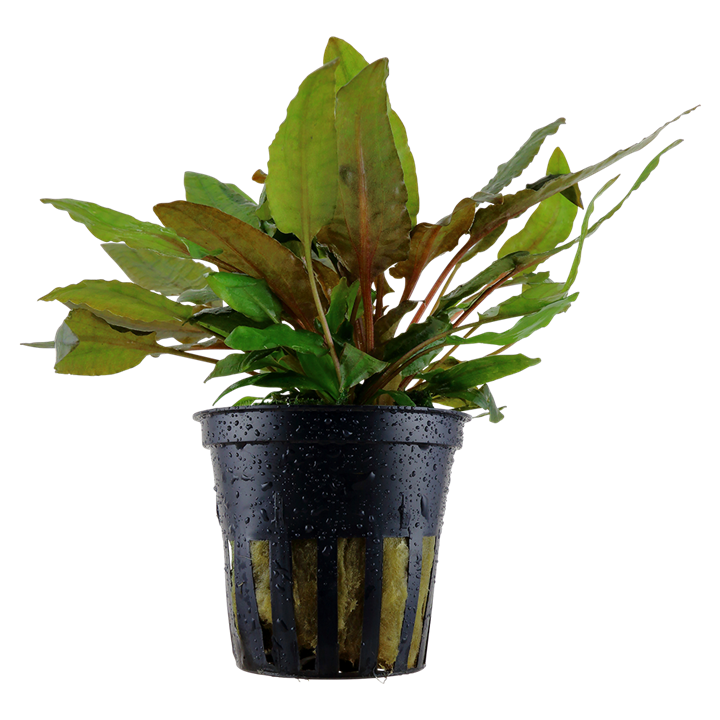
At a glance: Wendt's cryptocoryne care
Compiled reference information. Review the care notes and original sources below.
What temperature is listed for Wendt's cryptocoryne?
The compiled profile lists 22.0–28.0 °C for Wendt's cryptocoryne (Cryptocoryne wendtii). Check the original sources below for context and differing recommendations.
What tank size is listed for Wendt's cryptocoryne?
The profile lists a minimum tank volume of 1.3 US gallons (5.0 liters). Volume alone does not establish suitability; consider dimensions, group size and other inhabitants alongside the full care notes.
What pH is listed for Wendt's cryptocoryne?
The compiled profile lists a pH of 6.0–7.5. Review the cited care sources alongside the other water parameters in this profile.
Natural habitat
Cryptocoryne wendtii is a hardy aquatic plant native to Sri Lanka, known for its adaptability in various water conditions. It thrives in subtropical freshwater environments, often found in soft, slightly acidic waters.
Where they are found
In its native habitat, it often features bright green, slightly wavy leaves that sway gently with water currents, contributing to the lush aquatic environment.
Aquarium care
For optimal growth, provide a substrate rich in nutrients and maintain steady water parameters. This plant benefits from indirect light and may require CO2 injection for faster growth. Regular trimming helps promote healthier plants.
Feeding
Being a root feeder, Cryptocoryne wendtii benefits from nutrient-rich substrates. Regular fertilization and CO2 injections can enhance its growth, leading to more vibrant foliage.
Compatibility
This plant is suitable for many community tanks. It coexists peacefully with a variety of freshwater fish and invertebrates, making it a great choice for mixed species aquariums.
Breeding
Propagation can be achieved via rhizome division or by replanting offshoots. Care should be taken to avoid disturbing the root system when propagating.
Sources
Compiled from multiple independent care sheets — not copied from a single site.