Catalog / fish / Dwarf corydoras
fish · Callichthyidae
Dwarf corydoras
Corydoras hastatus
Wild range: Amazon and Paraguay river basins (South America)
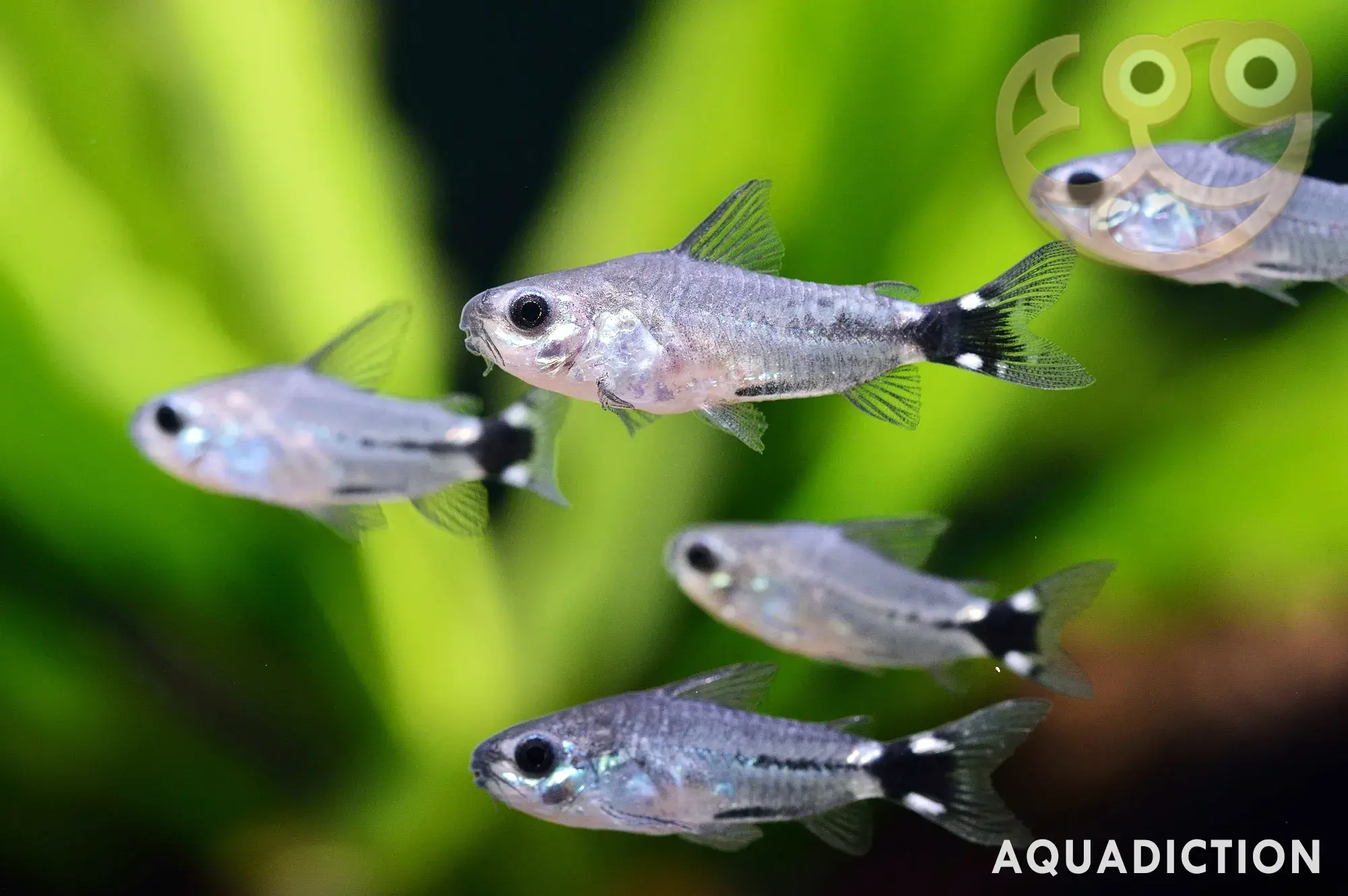
At a glance: Dwarf corydoras care
Compiled reference information. Review the care notes and original sources below.
What temperature is listed for Dwarf corydoras?
The compiled profile lists 22.0–28.0 °C for Dwarf corydoras (Corydoras hastatus). Check the original sources below for context and differing recommendations.
What tank size is listed for Dwarf corydoras?
The profile lists a minimum tank volume of 10.0 US gallons (38.0 liters). Volume alone does not establish suitability; consider dimensions, group size and other inhabitants alongside the full care notes.
What pH is listed for Dwarf corydoras?
The compiled profile lists a pH of 6.0–7.8. Review the cited care sources alongside the other water parameters in this profile.
Natural habitat
The hastatus cory is native to Brazil and Paraguay, found in shallow, slow-moving streams and floodplain habitats across the Amazon and Paraguay river basins. They typically inhabit areas with soft sand or fine silt substrates covered in decomposing leaf litter and dense vegetation, providing them with cover from predators.
Where they are found
The natural habitat of Corydoras hastatus is characterized by warm, slow-moving waters rich in biodiversity. This species prefers slightly acidic to neutral pH levels in environments where organic debris is present, creating an ideal environment for their foraging habits.
Aquarium care
Corydoras catfish thrive in a well-maintained aquarium with soft, smooth substrate to protect their barbels. Regular water changes and tank mates that will not disturb them are essential for a healthy environment.
Feeding
Hastatus corys require small, finely crushed foods such as high-quality flakes or micro pellets. Frozen foods like baby brine shrimp and daphnia provide excellent nutrition. They also naturally graze on biofilm and require frequent, small feedings throughout the day to meet their dietary needs.
Compatibility
Corydoras are highly social fish that do best in groups of six or more. They can be housed with most community fish that are peaceful and not large enough to eat them. Avoid pairing them with aggressive species or those that compete heavily for food.
Breeding
Breeding Corydoras hastatus requires a separate breeding tank with a fine substrate. The courtship ritual involves males chasing females, leading to the laying of eggs which should be removed promptly after spawning to prevent predation. The eggs usually hatch within 5-7 days under optimal conditions.
Sources
Compiled from multiple independent care sheets — not copied from a single site.