fish · Osphronemidae
Mandor betta
Betta mandor
Wild range: Southeast Asia (Asia)
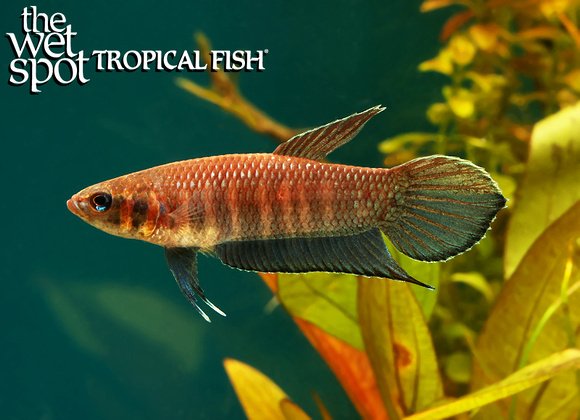
At a glance: Mandor betta care
Compiled reference information. Review the care notes and original sources below.
What temperature is listed for Mandor betta?
The compiled profile lists 22.0–29.0 °C for Mandor betta (Betta mandor). Check the original sources below for context and differing recommendations.
What tank size is listed for Mandor betta?
The profile lists a minimum tank volume of 10.0 US gallons (38.0 liters). Volume alone does not establish suitability; consider dimensions, group size and other inhabitants alongside the full care notes.
What pH is listed for Mandor betta?
The compiled profile lists a pH of 4.0–7.5. Review the cited care sources alongside the other water parameters in this profile.
Natural habitat
Betta fish are native to the marshy, shallow waters of Southeast Asia, particularly in rice paddies, canals, and flooded areas where they encounter dense vegetation.
Where they are found
The species is primarily found near Mandor and Anjungan in West Kalimantan, Borneo, collecting limited specimens due to habitat disturbance from illegal logging.
Aquarium care
To care for Betta mandor, provide a quiet environment with gentle flow, plenty of hiding places using driftwood and leaf litter, and maintain stable soft acidic water parameters. Avoid sharp decorations that might harm this delicate species.
Feeding
Bettas benefit from a varied diet, including high-quality pellets, frozen or freeze-dried foods like bloodworms, and occasional vegetable matter. Feed them once daily with small portions they can consume in a minute to prevent overfeeding.
Compatibility
While semi-aggressive, Betta mandor can be kept in pairs or small groups with peaceful, smaller fish species. It's crucial to monitor interactions closely during breeding and provide ample hiding spots to reduce stress.
Breeding
Breeding involves a paternal mouthbrooding process, requiring a separate breeding tank with a tightly fitted cover ensuring access to humid air. The fry can accept motile foods immediately after hatching.
Sources
Compiled from multiple independent care sheets — not copied from a single site.