Catalog / fish / Hoplo catfish
fish · Callichthyidae
Hoplo catfish
Megalechis thoracata
Wild range: Amazon and Orinoco basins (South America)
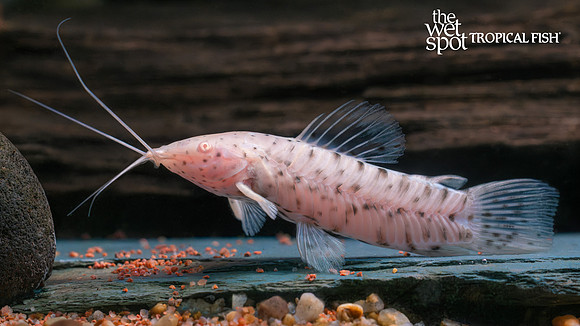
At a glance: Hoplo catfish care
Compiled reference information. Review the care notes and original sources below.
What temperature is listed for Hoplo catfish?
The compiled profile lists 18.0–28.0 °C for Hoplo catfish (Megalechis thoracata). Check the original sources below for context and differing recommendations.
What tank size is listed for Hoplo catfish?
The profile lists a minimum tank volume of 40.0 US gallons (150.0 liters). Volume alone does not establish suitability; consider dimensions, group size and other inhabitants alongside the full care notes.
What pH is listed for Hoplo catfish?
The compiled profile lists a pH of 6.0–8.0. Review the cited care sources alongside the other water parameters in this profile.
Natural habitat
The Hoplo Catfish is a hardy freshwater species found in the river systems of South America, known for its armored body and peaceful nature. It thrives in varied aquatic environments where it can find shelter and sustenance.
Where they are found
This species has a wide distribution in the wild, from northern Venezuela down to Argentina. Established populations exist in Florida, though sightings may vary.
Aquarium care
When keeping the Albino Spotted Hoplo Catfish, it is essential to provide a well-decorated tank with hiding spots, such as caves and plants, to reduce stress and ensure a comfortable environment. This species thrives in groups, making it ideal for community tanks with other peaceful species.
Feeding
An omnivorous diet is essential for the Hoplo Catfish, which should include high-quality sinking pellets, frozen or live foods, and vegetable matter. They are most active at night, making evening feedings ideal.
Compatibility
The Albino Spotted Hoplo Catfish is a peaceful species that can coexist with many community fish, including tetras and cichlids, as long as the tankmates are too large to be considered prey. It avoids confrontation and can fit well into a wide range of community aquarium setups.
Breeding
Males will develop thicker spines on their pectoral fins when ready to spawn, and females will appear fuller. Create favorable conditions with floating plants for bubble nests, which the male will build and protect.
Sources
Compiled from multiple independent care sheets — not copied from a single site.