Catalog / plants / Green cabomba
plant · Unknown
Green cabomba
Cabomba caroliniana
Wild range: Unknown (Unknown)
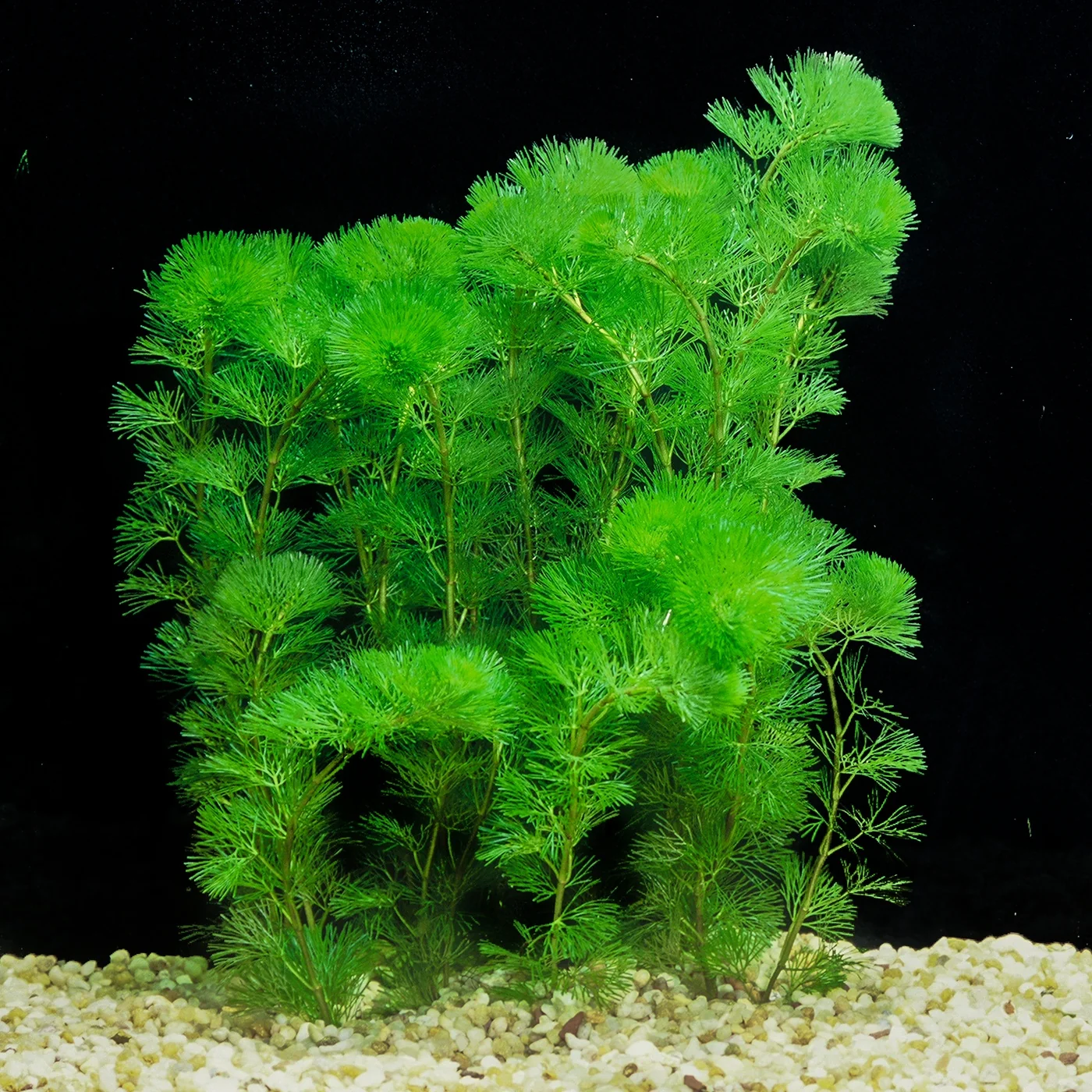
At a glance: Green cabomba care
Compiled reference information. Review the care notes and original sources below.
What temperature is listed for Green cabomba?
The compiled profile lists 22.0–28.0 °C for Green cabomba (Cabomba caroliniana). Check the original sources below for context and differing recommendations.
What tank size is listed for Green cabomba?
The profile lists a minimum tank volume of 10.0 US gallons (40.0 liters). Volume alone does not establish suitability; consider dimensions, group size and other inhabitants alongside the full care notes.
What pH is listed for Green cabomba?
The compiled profile lists a pH of 6.8–7.5. Review the cited care sources alongside the other water parameters in this profile.
Natural habitat
This species is typically found in slow-moving waters with abundant vegetation. It thrives in habitats rich in organic materials including leaf litter and detritus, which may offer shelter and nutrition.
Where they are found
Native to both North and South America, Cabomba caroliniana is known for its ability to form dense underwater canopies, which can displace native aquatic flora and fauna. Introduced to Australia, it has become a significant invasive species, impacting local ecosystems.
Aquarium care
Cabomba requires careful attention to lighting, ideally medium to high, and benefits from extra nutrients like liquid fertilizers or root tabs. For best results, maintain clear, gently moving water conditions.
Feeding
It is an omnivorous species, thriving on a varied diet of high-quality flake foods, frozen or live food including bloodworms and brine shrimp, and vegetable matter.
Compatibility
Cabomba is safe for community tanks but should be kept away from rough fish like cichlids or goldfish, which may uproot or destroy the delicate stems.
Breeding
Reproduction occurs primarily through stem fragmenting. As such, maintaining the plant in a tank where fragments can settle and take root is crucial for propagation. Regeneration by seeds has been noted in specific regions but is less common in aquarium settings.
Sources
Compiled from multiple independent care sheets — not copied from a single site.