fish · Osphronemidae
Akar betta
Betta akarensis
Wild range: South Asia (Asia)
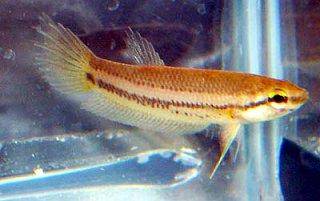
At a glance: Akar betta care
Compiled reference information. Review the care notes and original sources below.
What temperature is listed for Akar betta?
The compiled profile lists 18.0–28.0 °C for Akar betta (Betta akarensis). Check the original sources below for context and differing recommendations.
What tank size is listed for Akar betta?
The profile lists a minimum tank volume of 4.0 US gallons (15.0 liters). Volume alone does not establish suitability; consider dimensions, group size and other inhabitants alongside the full care notes.
What pH is listed for Akar betta?
The compiled profile lists a pH of 5.5–7.5. Review the cited care sources alongside the other water parameters in this profile.
Natural habitat
The Akar betta (Betta akarensis) is commonly found in the soft, acidic waters of slow-moving rivers and streams in Borneo, particularly in the Sarawak region of Malaysia. Their habitat is characterized by dense vegetation, submerged plants, and leaf litter, which provide hiding spots and breeding grounds.
Where they are found
This species inhabits primarily the eastern regions of Australia, favoring warm freshwater habitats from coastal streams to river basins.
Aquarium care
In captivity, Akar Bettas thrive in well-planted tanks that replicate their natural habitat. Use soft, filtered water, and maintain stable water conditions with minimal stressors. Regular water changes are recommended to keep the environment clean.
Feeding
Akar bettas are not picky eaters and can thrive on a diet of high-quality flakes or pellets, supplemented with live or frozen foods such as brine shrimp and daphnia. Feeding multiple small meals throughout the day can benefit their health and mimic their natural feeding behavior.
Compatibility
Due to their peaceful nature, Akar Bettas can be kept with other non-aggressive fish species. Avoid keeping them with fin-nippers or overly dominant species that could stress them.
Breeding
Breeding occurs in shallow areas with ample vegetation. Prepare a breeding tank with gentle filtration and plants for egg-laying; they may lay up to several hundred eggs.
Sources
Compiled from multiple independent care sheets — not copied from a single site.