fish · Osphronemidae
Pretty betta
Betta pulchra
Wild range: Southeast Asia (Asia)
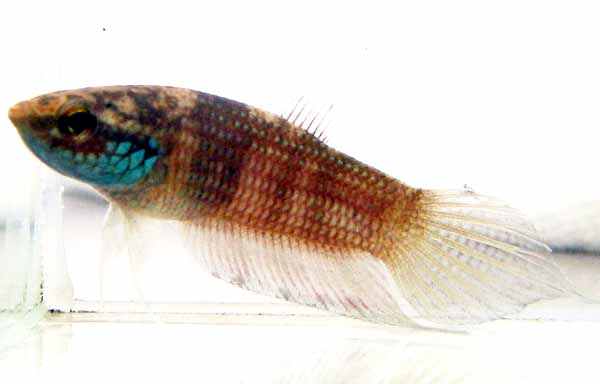
At a glance: Pretty betta care
Compiled reference information. Review the care notes and original sources below.
What temperature is listed for Pretty betta?
The compiled profile lists 24.0–30.0 °C for Pretty betta (Betta pulchra). Check the original sources below for context and differing recommendations.
What tank size is listed for Pretty betta?
The profile lists a minimum tank volume of 2.0 US gallons (7.6 liters). Volume alone does not establish suitability; consider dimensions, group size and other inhabitants alongside the full care notes.
What pH is listed for Pretty betta?
The compiled profile lists a pH of 6.0–8.0. Review the cited care sources alongside the other water parameters in this profile.
Natural habitat
Betta splendens is commonly found in shallow waters, such as rice paddies and muddy ditches, where the temperature is warm and water flow is minimal. They thrive in heavily planted tanks with plenty of hiding places, which are crucial for their well-being.
Where they are found
Bettas are native to the warm waters of Southeast Asia, primarily in the countries of Thailand, Cambodia, Malaysia, and Borneo where they have adapted to a range of freshwater environments.
Aquarium care
To maintain a healthy environment for Betta fish, provide a tank of at least 5 gallons with a gentle filter to reduce strong water flow. Maintain stable water temperatures between 24°C and 27°C and perform weekly water changes of 25% to keep the tank clean. They are labyrinth fish, which means they can breathe air directly from the surface, making aeration less critical, but they still require dechlorinated water.
Feeding
A diet predominantly consisting of high-protein food, like specially formulated pellets for bettas, live or frozen foods such as bloodworms and brine shrimp is recommended. Care should be taken not to overfeed, as they are prone to obesity and digestive issues.
Compatibility
Male bettas are territorial and must be housed separately unless breeding. They can be kept with certain non-aggressive species like Corydoras or small Tetras, but avoid placing them with fin-nipping fish or anything resembling another betta.
Breeding
Breeding involves conditioning both male and female with high-protein foods. The male builds a bubble nest and will require the female to be placed nearby. After spawning, she should be removed to prevent aggression from the male.
Sources
Compiled from multiple independent care sheets — not copied from a single site.