fish · Osphronemidae
Penang betta
Betta pugnax
Wild range: Southeast Asia (Asia)
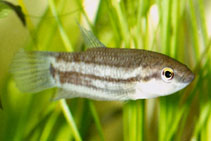
At a glance: Penang betta care
Compiled reference information. Review the care notes and original sources below.
What temperature is listed for Penang betta?
The compiled profile lists 22.0–27.0 °C for Penang betta (Betta pugnax). Check the original sources below for context and differing recommendations.
What tank size is listed for Penang betta?
The profile lists a minimum tank volume of 0.8 US gallons (3.0 liters). Volume alone does not establish suitability; consider dimensions, group size and other inhabitants alongside the full care notes.
What pH is listed for Penang betta?
The compiled profile lists a pH of 6.0–8.0. Review the cited care sources alongside the other water parameters in this profile.
Natural habitat
Betta splendens, known as the Siamese Fighting Fish, originates from the shallow rice paddies and floodplains of Thailand. They thrive in slightly acidic to neutral waters, making them well-suited for aquarium environments.
Where they are found
Native to the freshwater bodies of Southeast Asia, especially in Thailand, where they inhabit regions with plenty of vegetation. The species has been bred extensively for its color and fin structure, leading to many ornamental varieties that may not exist in the wild.
Aquarium care
To successfully maintain Betta splendens, ensure a minimum tank size of 11 liters (3 gallons), with a gentle flow and stable temperature between 22 to 24°C. Include plenty of plants and decorations to provide hiding places and enrich their environment. Regular water changes and the use of water conditioners are necessary for optimal health.
Feeding
As carnivores, Betta splendens require a diet high in protein. They should be fed quality pellets designed for bettas, supplemented with live or frozen food such as bloodworms or daphnia. It's best to feed them in small amounts twice daily to avoid overfeeding.
Compatibility
While Betta Fish are known for their territorial nature, particularly males, they can coexist peacefully in community tanks when paired with non-aggressive species. Always monitor tank mates for any signs of stress or aggression towards the Betta, and be prepared to provide separate housing if needed.
Breeding
Breeding Bettas requires careful monitoring of water conditions and providing plenty of space. Males will build bubble nests and should be introduced to females in a separate tank. After breeding, the female should be removed to prevent aggression from the male. The fry should be fed small, infusoria or specialized fry food until they are large enough to consume regular pellets.
Sources
Compiled from multiple independent care sheets — not copied from a single site.